
Commentary
In the Aug. 16 episode of “Lioness” called “The Bear Is Infected,” an intelligence officer uses an animal metaphor to describe modern great-power competition. It raises an interesting question about the strategy’s validity.
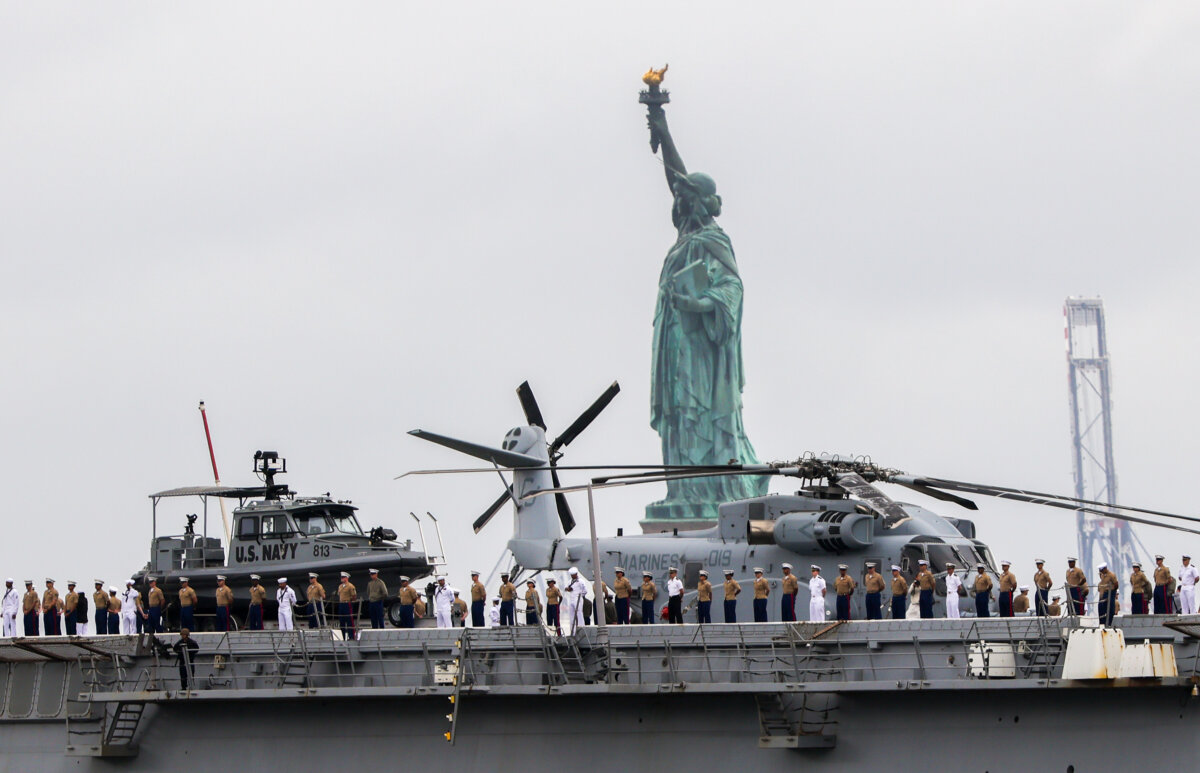
Russia is the wolf pack. China is the tiger. America is the bear. The bear is too strong to kill directly, so the strategy is to infect it—to weaken its judgment, cohesion, and willingness to act until its physical strength matters less.
Paramount confirms the episode and airdate; contemporary coverage captures the wolf-tiger-bear exchange. Esquire’s episode review describes the allegory. While it comes from television, the strategic logic is real.
The strongest state does not necessarily lose because its military is defeated. It can lose because competitors deliberately raise the political, economic, informational, and institutional costs of exercising that military superiority until the state can no longer, or is unwilling, to translate power into action.
That idea provides a useful way to think about Russian strategy toward the United States. More surprisingly, it may also help explain what Washington is doing to China through Venezuela and, to a lesser degree, Iran.
The Target Is the Ability to Use Power
Russian military thought has long explored ways to attack decision-making rather than match American strength platform for platform. A National Defense University study of Russian information warfare describes reflexive control as shaping an opponent’s information environment so its decisions move in a direction favorable to Moscow.
A U.S. Army study of Russian military thought similarly notes the recurring pairing of indirect and asymmetric operations with information effects intended to disorganize an adversary. The Army analysis traces those concepts through Russian military writing.
The 2016 Russian influence campaign demonstrated the practical version. Moscow did not have to manufacture America’s racial, cultural, and political divisions. Russian operatives impersonated Americans, targeted competing constituencies, and pushed existing grievances harder. The Senate investigation documented the scale and methods of those active measures.
The vulnerability lies in the gap between possessing power and using it. An aircraft carrier means less to a government that cannot reach political agreement over when to deploy it. Economic strength loses value when internal division prevents sustained policy. Infect the decision process and the bear remains enormous, but increasingly difficult to move.
Washington May Be Applying the Same Principle Differently
Now, look at Venezuela.
The current National Security Strategy says U.S. security requires preeminence in the Western Hemisphere and specifically calls for reducing adversarial influence over ports, infrastructure, and strategic assets.
After the January operation that captured Nicolás Maduro, U.S. Secretary of State Marco Rubio went further: Washington would not allow the hemisphere to become a base for U.S. competitors or permit adversaries to exploit its resources.
Treasury policy then drew an unusually revealing line. U.S. sanctions rules allow established American entities to resell Venezuelan oil to China. Yet OFAC excludes transactions involving Venezuelan or U.S. entities owned, controlled by, or operating in joint ventures with Chinese persons. Separate licenses allow U.S. goods, technology, and services to support Venezuela’s oil sector while excluding certain China- and Russia-linked joint ventures.
The message is: China can still buy the barrel while Washington seems far less comfortable letting Beijing control the architecture around it.
That architecture includes production rights, infrastructure, financing, logistics, and long-term political access. Over time, commercial relationships can create strategic optionality. Economic presence can produce diplomatic leverage, intelligence opportunities, privileged infrastructure access, and eventually military or logistical utility.
Venezuela suggests Washington is trying to interrupt that progression before it hardens.
Iran Is the Harder Test
Iran points in the same direction, although the evidence requires more caution because Tehran remains Washington’s immediate target.
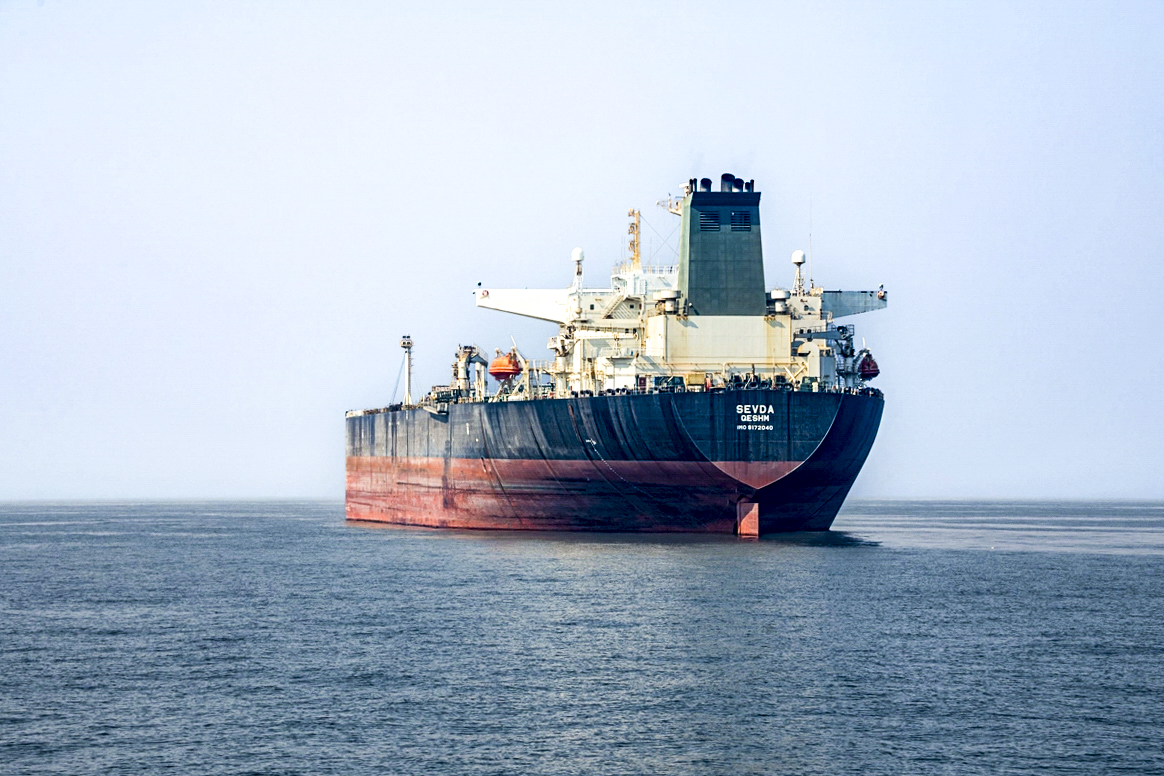
China is central to Iran’s ability to monetize its oil. In April, Treasury warned that China purchases roughly 90 percent of Iranian oil exports, much of it through independent “teapot” refiners.
Days earlier, Washington sanctioned Hengli Petrochemical, describing the Chinese refinery as one of Iran’s largest petroleum customers and an important source of revenue for the Iranian military. Treasury detailed Hengli’s role in the Iranian oil trade. This kind of pressure constrains Iranian revenue while making China’s relationship with Iran harder to exploit.
That mechanism is visible now. Reuters reported Aug. 21 that Iranian oil offers to Chinese buyers had fallen sharply under renewed U.S. pressure and the blockade, forcing Chinese refiners to search for alternatives. The disruption is already changing Chinese purchasing behavior
China still has purchasing power. Iran still has oil. The strategic value of the relationship declines when connecting the two requires greater risk, cost, rerouting, financial concealment, and political protection.
The Contest Over Usable Power
The “Lioness” metaphor matters because it asks a better question than who has the most military hardware, money, or resources: who can actually turn those advantages into outcomes?
Russia seeks to widen the gap between American strength and political action. China builds economic relationships that can become strategic leverage. Washington increasingly appears willing to attack that conversion process before access hardens into control.
The bear does not have to kill the wolf or the tiger.
It has to make their hunt stop paying.
Views expressed in this article are the opinions of the author and do not necessarily reflect the views of The Epoch Times.