
Commentary
Wars, ideological conflicts, and the mass shift in political power we have seen with the rise of populism in Europe have made the world ripe for the proliferation of false flag operations. Exacerbating the situation, deepfakes, courtesy of artificial intelligence, provide another tool for engineering false flag operations. While definitively identifying which events are false flag events may not always be possible, asking yourself who benefits is always a good first step in attempting to do so.
1953 CIA UK Intel False Flag Helped Create Modern-Day Iran
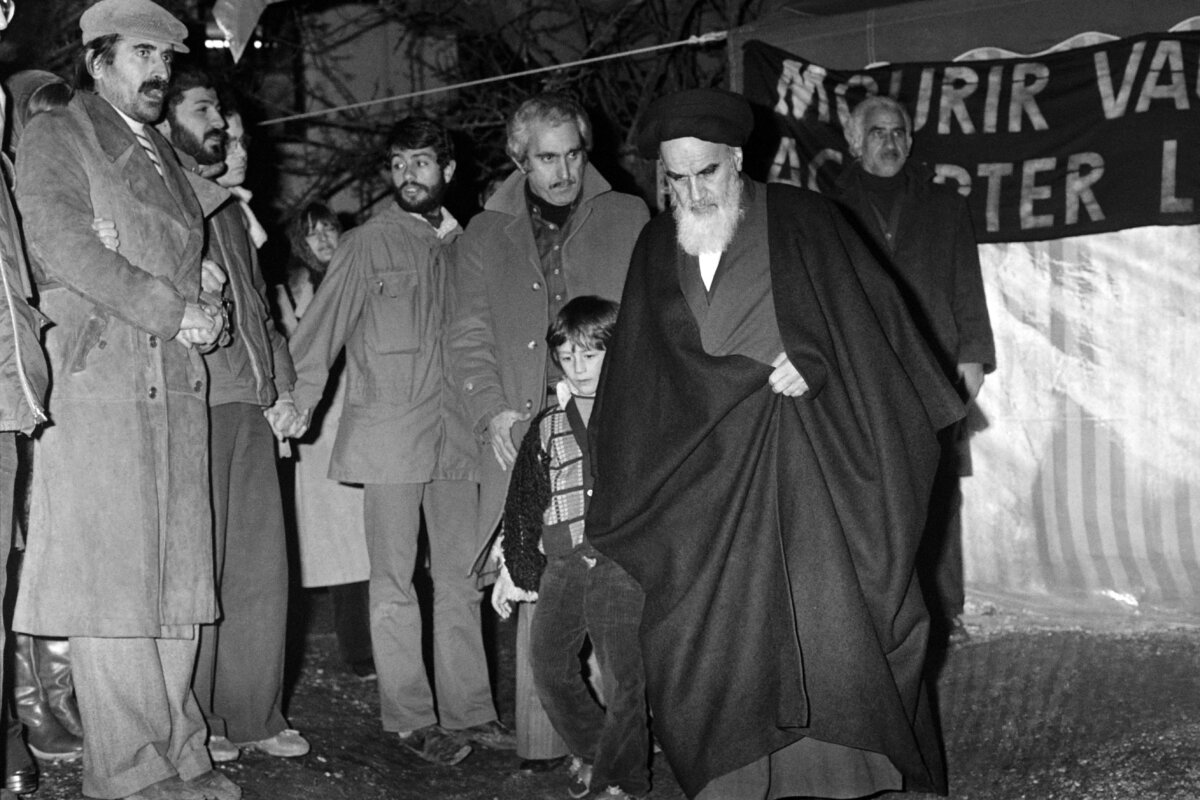
Historically, these operations have been used to reshape entire geopolitical landscapes. A highly impactful example is the 1953 Iranian coup d’état known as Operation TPAJAX. Jointly executed by the CIA and UK intelligence, this covert false flag operation played a key role in overthrowing Iran’s democratically elected prime minister, Mohammad Mosaddegh, after he nationalized the country’s oil industry.
To turn the deeply religious Iranian public against the government, foreign intelligence hired operatives to pose as Iranian communists. These paid operatives carried out a targeted campaign of bombings against public figures and mosques, falsely framing Mosaddegh’s administration as a lawless, anti-religious communist regime. Widespread civil unrest followed, leading to the ouster of Mosaddegh and the reinstatement of the shah of Iran, which set up the 1979 Khomeinist revolution, a revolution still wreaking havoc on the world to this very day.
Of course, not all false flags have been uncovered, and it is standard operating procedure for those involved with them to deny responsibility for them. Hence, with media that are often far more concerned about propping up favored narratives than about uncovering the truth and reporting on it, it behooves the educated news consumer to be on the lookout for false flag tells or characteristics.
Key Characteristics of False Flag Operations
-
Deceptive Attribution: The operation is staged to falsely implicate a target group or entity, concealing the true perpetrators.
-
Strategic Objectives: The aim is a justification (casus belli) for war, escalation, or policy change, or to frame an adversary as a threat and gain domestic or international support.
-
Manipulation of Narrative: Evidence is fabricated, selectively presented, or obscured to control perception, leveraging fear, outrage, or sympathy.
-
Plausible Deniability: Perpetrators avoid direct accountability, often through proxies or ambiguous methods.
Conditions Most Likely to Generate False Flag Operations
These conditions raise both the incentive to deceive and the chance of getting away with it:
-
Protracted, Attritional Conflicts, Stalemate, or Imminent Defeat: Military setbacks, resource depletion, declining morale, or looming defeat erode self-imposed restraints. False flags become a way to regain momentum, draw in allies, or create a pretext for escalation.
-
Declining Public or International Support, Political Instability: When legitimacy is fading, or when leadership faces unrest and division, a staged outrage can unify a population, justify a crackdown, and/or shift attention from domestic failure.
-
Favorable Investigative Environment: Expect false flag operations more often where a real, solid investigation will not or cannot be pursued. That includes one-sided media, accuser control of the scene, classified or inaccessible evidence, dissent treated as disloyalty, and no competent third party able to test the official story. If aggressive, independent inquiry is likely, the risk rises dramatically, making it less likely for a false flag op to be executed.
-
Third-Party Opportunities and Deniable Assets: Multiple actors, high existing tension, and available proxies make it easier to pit rivals against each other (“bloodletting”) while keeping those executing and benefiting from the false flag hidden.
Criteria for Evaluating Whether an Event Is a False Flag Operation
-
Cui Bono (Who Benefits?)—The Primary Criterion: Who gains most from the outcome? If the blamed party suffers severe, predictable, seemingly inevitable damage while the accuser gains more authority, public support, or third-party intervention, treat the first story as a hypothesis, not a fact. Be especially skeptical when the blamed party’s alleged act looks irrational or self-destructive, and the accuser’s payoff is disproportionate.
-
Investigative Climate: Can anyone with competence and access test physical evidence, communications, chain of custody, and alternative explanations? Uniform media alignment, rapid silencing of dissent, non-transparent inquiries, and preemptively dismissing evidence exposing the false flag as illegitimate make it easier to stage false flag events, while greatly decreasing the chances they will be outed as false flag ops.
-
Quality of the Evidence Itself: Look for contradictions, gaps, overly convenient details, selective reporting, and investigations that end abruptly. In a captured investigative environment, early “evidence” may be part of the operation. Absence of a hostile inquiry is not confirmation of the first narrative; it is reason to be more skeptical of the favored narrative.
-
Speed and Coordination of the Narrative: A polished attribution that arrives before independent scrutiny can occur, especially after a campaign of warnings that an attack was imminent, is a warning sign.
-
Means, Proxies, and Capability: Could intermediaries have done it? Does the blamed party actually have the means, motive, and capability—or does another actor with more resources and a cleaner payoff?
Approach to Evaluation
-
Start with who benefits, then ask whether a lie is likely to be outed and punished.
-
Have a healthy skepticism for single-source, emotionally charged narratives, especially when a real investigation is being blocked or is not possible.
-
Cross-check whatever independent access still exists. Where it does not exist, acknowledge that it does not exist.
-
Reserve judgment. False flags thrive on rushed conclusions. Motive and climate raise suspicion. They do not replace facts.
Conclusion
Evaluating whether an event has a strong probability of being a false flag requires a disciplined focus on who benefits most, especially when the blamed party suffers severe, predictable harm while the accuser gains significant strategic advantages. The likelihood of false flags increases under specific conditions, such as protracted conflicts, declining support, and one-sided media environments, in which the orchestrator can be confident that his narrative will go unchallenged and that the victim’s evidence will be dismissed because of hostility or bias.
By maintaining a healthy skepticism and being willing to go beyond headline media narratives, you will end up with a more balanced view of world events, a view likely to be at least a little bit closer to the truth.
Views expressed in this article are the opinions of the author and do not necessarily reflect the views of The Epoch Times.