
Commentary
Canada has a defence spending problem, but it is not simply a shortage of money. While Ottawa promises billions more for national defence, reserve units and cadet organizations face restrictions on training, recruitment, and activities. Meanwhile, the Department of National Defence continues to leave substantial spending authorities unused, exposing a troubling disconnect between financial management and military priorities.
Consider the numbers. Over the five fiscal years ending March 31, 2026, National Defence reported approximately $7.7 billion in unused spending authorities. The annual amounts were approximately $2.51 billion in 2021–22, $1.57 billion in 2022–23, $1.48 billion in 2023–24, $787 million in 2024–25, and $1.38 billion in 2025–26. Not every unspent dollar could have been redirected to military training or youth programs. Some funding is tied to capital projects, restricted appropriations, or future-year commitments. Nevertheless, when billions remain unused over successive years, Canadians deserve an explanation for why essential programs face financial constraints.
This is fundamentally a question of priorities, planning, and leadership. A department responsible for managing multibillion-dollar procurement programs should also be capable of protecting the comparatively modest resources required to train reservists and support cadets. When these activities become targets for short-term savings, something is seriously wrong with how priorities are established.
Canada’s reserve force should be central to rebuilding our military. Reservists reinforce the regular force, respond to domestic emergencies, and bring valuable civilian expertise into the Armed Forces. They also represent our most practical means of expanding military strength during a national crisis without maintaining an enormous full-time standing army. Yet Canada’s reserves remain below authorized strength, without a sufficiently ambitious and sustained expansion strategy. Restricting training days, recruitment, and operational activities is precisely the wrong response to these challenges. We cannot rebuild military capability by reducing the opportunities that make reservists effective, motivated, and prepared.
Military readiness cannot be purchased overnight. It requires years of training, experienced leadership, functioning equipment, and sustained investment in personnel. Every cancelled exercise, lost training opportunity, or discouraged recruit weakens capabilities that will take considerably more time and money to restore.
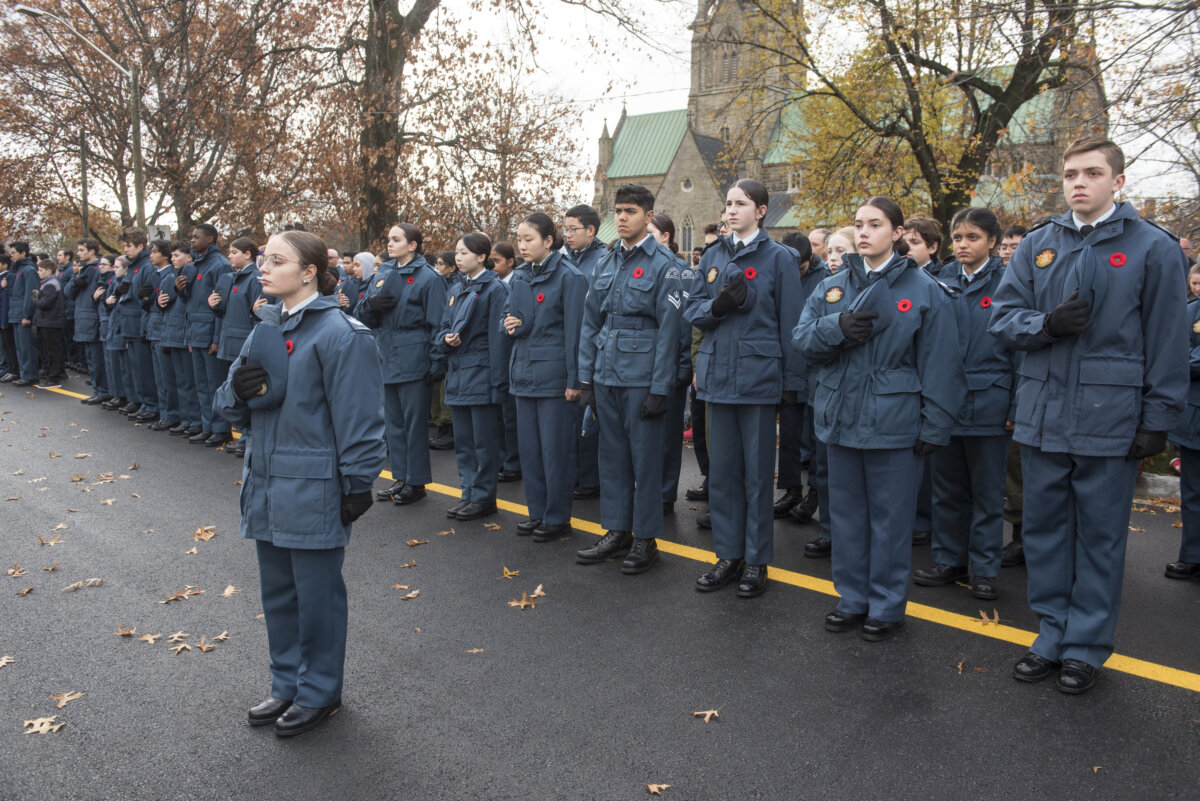
The cadet program represents an equally important investment, although its purpose extends well beyond military recruitment. Approximately 72,000 young Canadians participate in Sea, Army, and Air Cadets, developing leadership, discipline, teamwork, citizenship, and physical fitness. They participate in sports, outdoor activities, community service, and structured social experiences that build confidence and character.
At a time when families are increasingly concerned about excessive screen time, sedentary lifestyles, and social isolation, the cadets offer something our society desperately needs. They provide a constructive environment where young people develop friendships, accept responsibility, overcome challenges, and learn the value of serving others. Few publicly supported youth programs offer such a broad combination of personal development and citizenship.
Cadets also introduce young Canadians to the possibility of military service. While the program is not a recruiting organization, some former cadets subsequently enlist, bringing familiarity with military culture, teamwork, and leadership. Those who pursue civilian careers carry these same qualities into their communities, workplaces, and public institutions. I know the value of these programs firsthand. My military journey began as a young Army Cadet before continuing through military college and service in both the regular and reserve forces. The lessons I learned about discipline, leadership, responsibility and service shaped my life and career, just as they continue to shape young Canadians today.
What makes the current situation particularly frustrating is that these financial challenges are manageable. We are not discussing multibillion-dollar weapons systems or decades-long procurement commitments. We are discussing comparatively modest operating and personnel expenditures needed to sustain training, retain experienced reservists, recruit new members, and support youth development.
National Defence must explain why these activities face restrictions while substantial spending authorities remain unused. Parliament should demand greater transparency concerning annual lapses, stronger accountability for internal funding decisions, and a credible strategy to expand the reserves while protecting cadet programming. Greater financial flexibility must be examined before essential programs become convenient targets for short-term reductions.
Canada cannot afford to confuse bureaucratic restraint with responsible financial management. A department that repeatedly leaves substantial spending authority unused must demonstrate that it has exhausted reasonable alternatives before reducing programs essential to readiness and citizenship. Otherwise, the problem is not simply insufficient funding, but a failure to manage the resources already entrusted to it.
Our reserves are essential to defending Canada, while our cadets help develop the next generation of Canadian leaders. Cutting their opportunities while billions remain unspent is not sound fiscal management. It is short-sighted leadership, and Canadians should demand better.
Views expressed in this article are the opinions of the author and do not necessarily reflect the views of The Epoch Times.