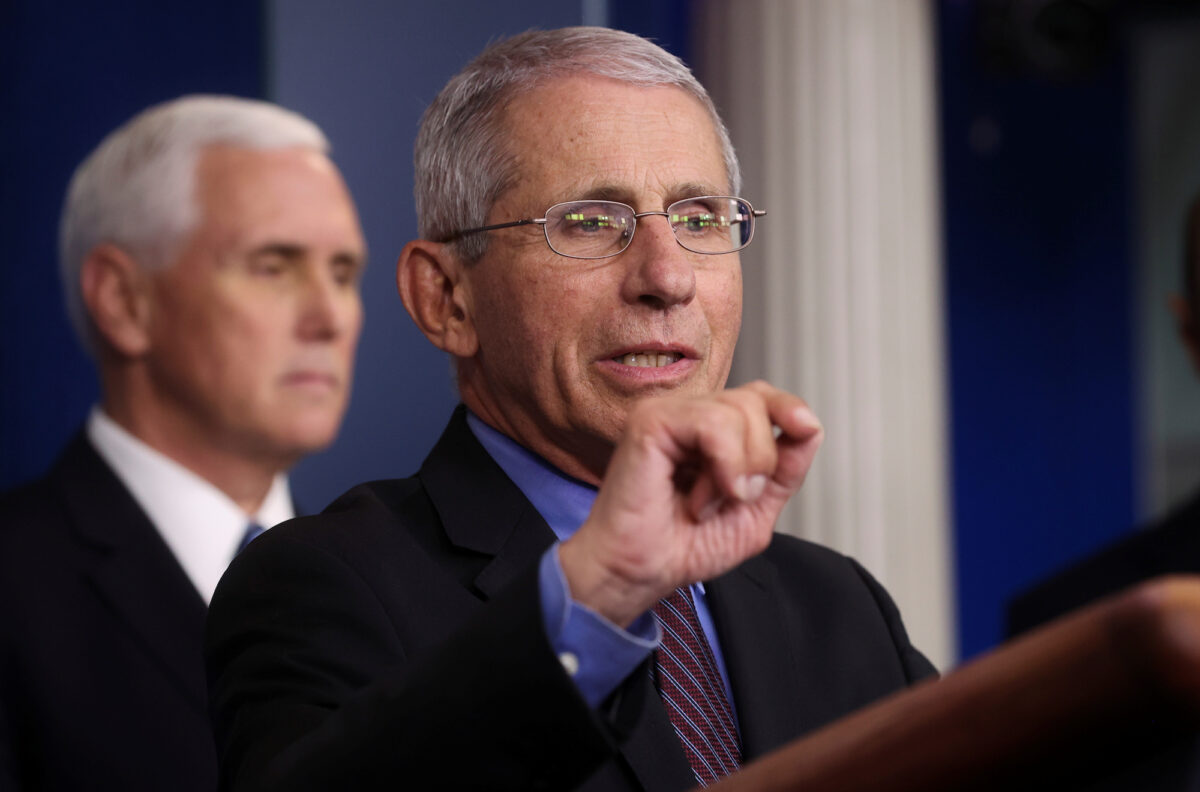

A top public health official suggested on Thursday that some states are reopening from lockdowns too quickly.
Dr. Anthony Fauci, director of the National Institute of Allergy and Infectious Diseases, said states that aren’t able to do contact tracing should “go very slowly” in reopening.
“You can’t just leap over things and get into a situation where you’re really tempting a rebound,” he said. “That’s the thing I get concerned about. I hope they don’t do that.”
Contact tracing refers to identifying everyone who came into contact during a set period of time with a person who tests newly positive for the CCP (Chinese Communist Party) virus, a novel coronavirus from China. The effort involves isolating contacts who test positive and then tracing their own contacts.
States should adhere to guidelines issued by the federal government, said Fauci, who helped craft the guidelines. Reopenings should only begin if states see a steady decline in the number of new CCP virus cases for two weeks.
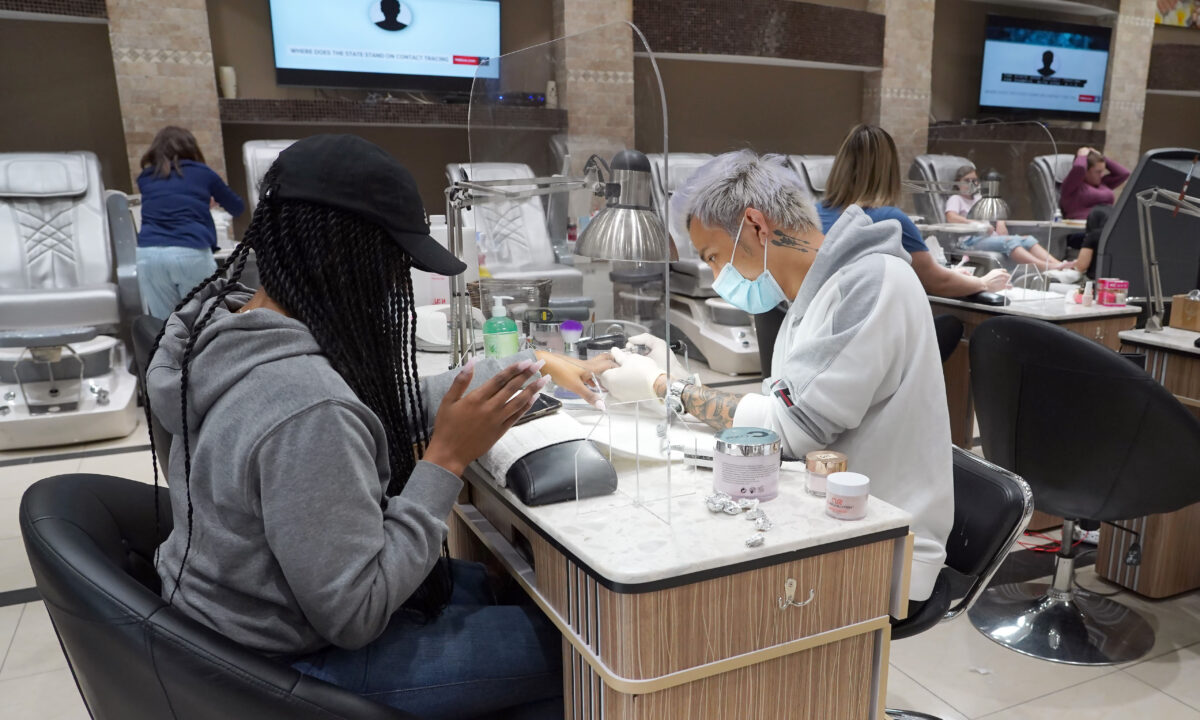
If that’s the case, states can start reopening, according to the infectious disease doctor.
Even in states with contact tracing, there will undoubtedly be “blips” after harsh restrictions start loosening, Fauci warned.
He was speaking during an appearance on NBC’s “Today” show.
Dozens of governors have started reopening their states or plan to do so soon, according to a tally from The Epoch Times.
Even most governors who have extended stay-at-home orders altered them to allow some businesses to reopen.
Federal social distancing guidelines expired on April 30 after President Donald Trump chose not to extend them.

Separate guidance outlined a phased reopening for states.
Governors were advised not to start reopening until states saw a 14-day decline of new CCP virus cases. Hospitals should also be able to treat all patients without “crisis care.”
But Trump emphasized governors were welcome to make the final decision on how and when to reopen.
According to the guidelines, large venues including sit-down dining, movie theaters, sporting venues, and place of worship can operate under strict physical distancing protocols during phase one.
Phase two would see an expansion of large gatherings along with allowing non-essential travel and schools and organized youth activities to resume.
All workplaces can reopen in the third phase.