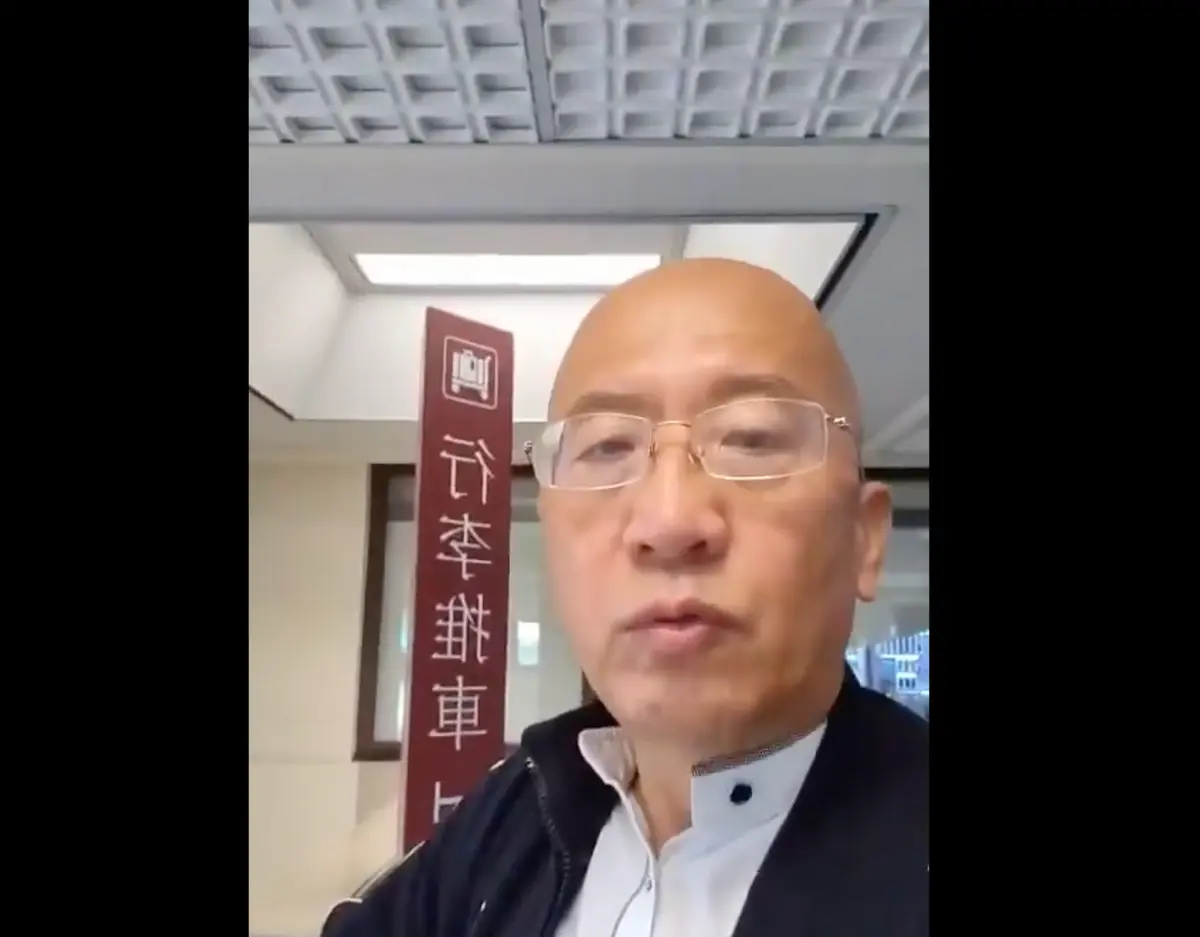
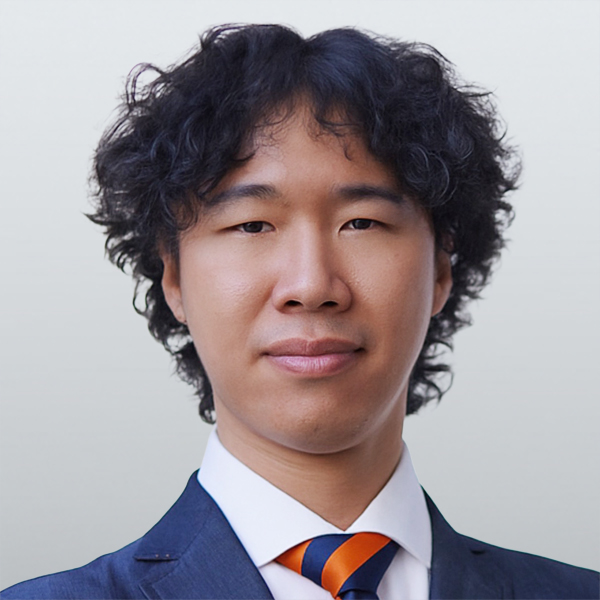
Chinese journalist Cheng Wanjun was sent back to Thailand after seeking temporary humanitarian protection in Taiwan, where he said he feared further persecution by the Chinese Communist Party (CCP) following his release from prison and the publication of accounts of his imprisonment.
Cheng, 58, arrived at Taiwan Taoyuan International Airport from Thailand on Nov. 2 and asked Taiwanese authorities to allow him to remain temporarily while arrangements were made for resettlement in a third country. He told The Epoch Times in a telephone interview on Nov. 4 that he had been returned to Bangkok the previous evening.
Cheng said he was disappointed and angry with the Taiwanese government’s decision and alleged that he had been injured during the forced return.
He expressed concerns about his safety because articles exposing the CCP’s persecution of him had already been published overseas.
Taiwan’s Mainland Affairs Council (MAC), however, said on Nov. 4 that authorities could not verify Cheng’s claims of persecution and had found no independent evidence supporting his account.
In an official statement, the MAC said the government must assess such cases individually because similar incidents occur several times each year. It said authorities could not accommodate every person seeking temporary protection at the airport.
“The main issue in this case is that the government cannot verify Mr. Cheng’s claims of persecution,” the council said.
The MAC also said Cheng could freely enter and leave China and had not been subject to restrictions on his personal freedom. Based on the Taiwanese government’s procedures for handling similar cases, authorities decided to return him to Thailand.
Taiwan’s National Immigration Agency separately said Cheng had failed to provide sufficient supporting evidence to qualify for humanitarian assistance and did not possess valid documents authorizing entry into Taiwan. According to the agency, he was returned to Bangkok under Article 50 of Taiwan’s Immigration Act.
The agency also said Cheng had resisted boarding and engaged in self-harm during the process, prompting officials to take necessary measures to ensure flight safety.
Cheng’s account of being injured cannot be independently verified by The Epoch Times.
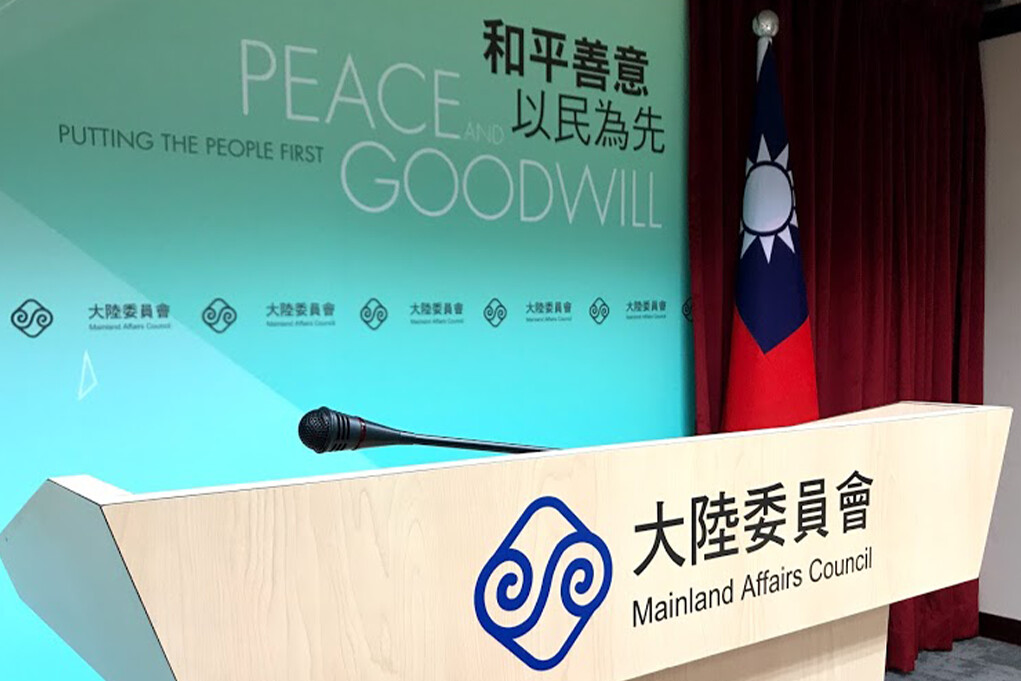 A meeting venue of Taiwan’s Mainland Affairs Council. (Li Yi-xin/The Epoch Times)
From Prison to Seeking Protection Abroad
Cheng previously served as editor-in-chief of Law and Life magazine and as a presenter on a China Central Television (CCTV) legal affairs program.
According to Cheng’s account, he was arrested and sentenced to six years in prison in November 2019 after criticizing Chinese leader Xi Jinping during a workplace meeting.
Cheng said he referred to Xi as a “ruler who lost his country.” Someone secretly recorded his remarks and reported them to authorities, he said, prompting an investigation that led to a broader purge at his workplace.
He was convicted of “illegal business operations” and released in 2025 after completing his sentence, he said.
Cheng said he left China and arrived in Thailand on Oct. 14, 2026, seeking protection and an opportunity to continue writing and speaking freely.
According to his account, the U.N. High Commissioner for Refugees (UNHCR) office in Thailand registered his case under its highest-priority emergency category, identified as “risk of refoulement.”
However, Cheng said his Thai visa was approaching expiration, and he feared for his safety after media outlets published his account about his imprisonment.
On Nov. 2, he boarded an EVA Air flight from Bangkok to Beijing via Taiwan. After arriving at Taoyuan International Airport, he left the transit process and approached immigration officials to request temporary humanitarian protection.
Before his return to Thailand, Cheng had told Taiwan’s Radio Taiwan International that he would pursue resettlement in Canada.
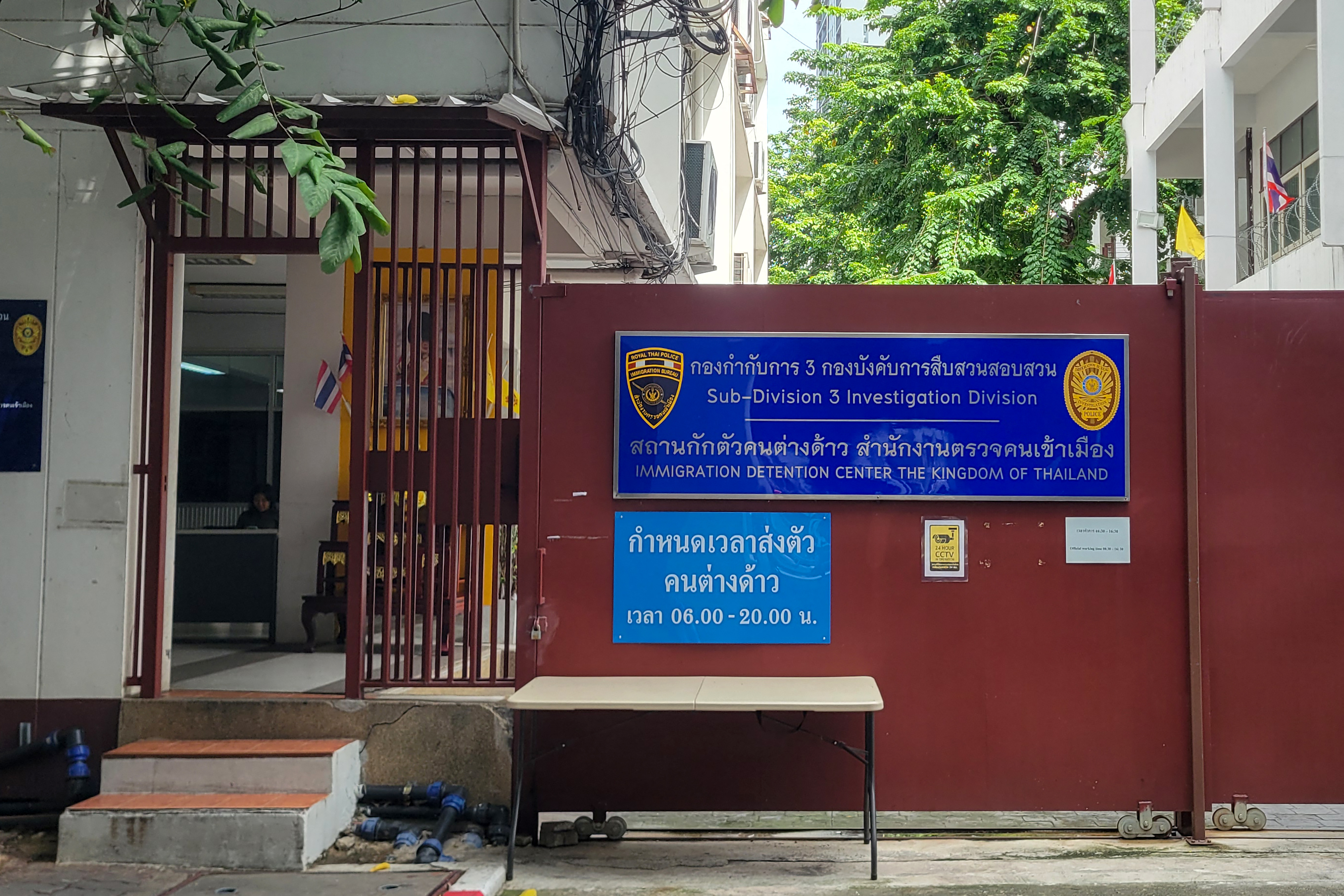 An immigration detention center in Bangkok on Sept. 22, 2025. (STR/AFP via Getty Images)
Chinese Asylum Seekers in Taiwan
Cheng’s case is among several incidents in recent years in which Chinese dissidents have sought protection in Taiwan after leaving their connecting flights at the airport rather than continuing to their scheduled destinations.
Their outcomes have varied.
In September 2023, Chinese rights activist Chen Siming sought protection at Taoyuan International Airport. Chen stayed in Taiwan’s immigration detention for two weeks but obtained humanitarian protection from Canada during that time. He subsequently flew to Canada without actually entering Taiwan.
More recently, in September, Chinese human rights lawyer Wang Xiahong and her family sought assistance at Taoyuan airport after leaving China. Wang had represented members of the persecuted Beijing Zion Church and faced pressure from the Chinese regime over her legal work.
Unlike Cheng, Wang and her family were granted temporary humanitarian accommodation while arrangements were made for resettlement in a third country, according to a report by Taiwan’s Public Television Service.
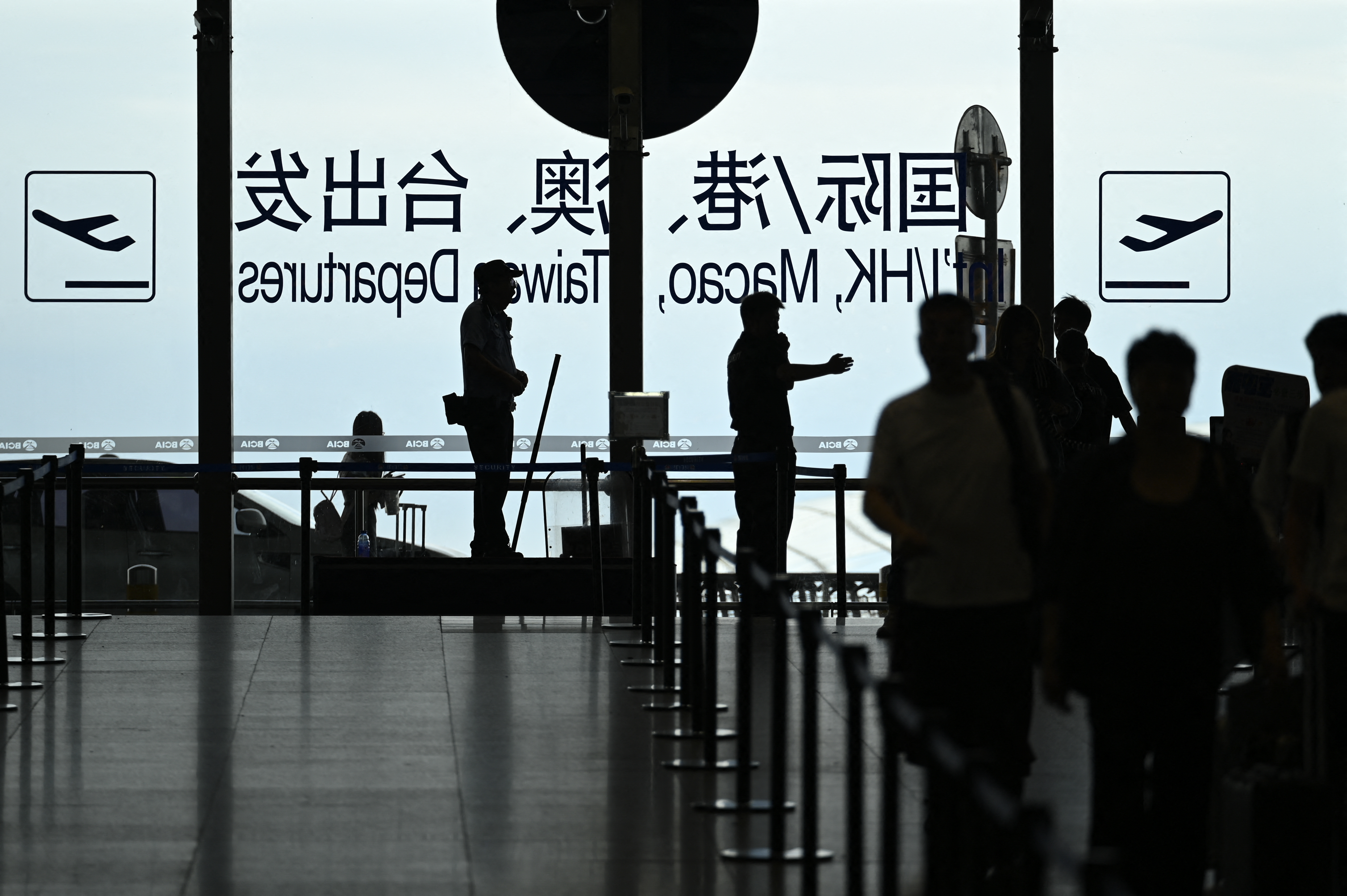 A security guard guides passengers at Beijing International airport on July 6, 2025. (Wang Zhao/AFP via Getty Images)
Risks Facing Asylum Seekers
Cheng’s return to Thailand has raised concerns from a U.S.-based Chinese pro-democracy activist about the risks faced by dissidents who seek refuge in Southeast Asian countries.
Jie Lijian, chairman of the International Alliance of the U.S.-based China Democracy Party, told The Epoch Times that he was concerned about Cheng’s safety. He warned that if Thai authorities subsequently deported Cheng to China, he could face further persecution.
Jie suggested that Taiwan’s decision might have been influenced by concerns that allowing Cheng to remain could encourage other Chinese refugees in Thailand to use similar methods to enter Taiwan and seek protection.
He urged the international community to pay greater attention to Chinese asylum seekers living in exile across Southeast Asia.
Some, he said, had been secretly deported to China, leaving their whereabouts and fate unknown. The Epoch Times cannot independently verify this claim.
Tang Bing and Li Yun contributed to this report.