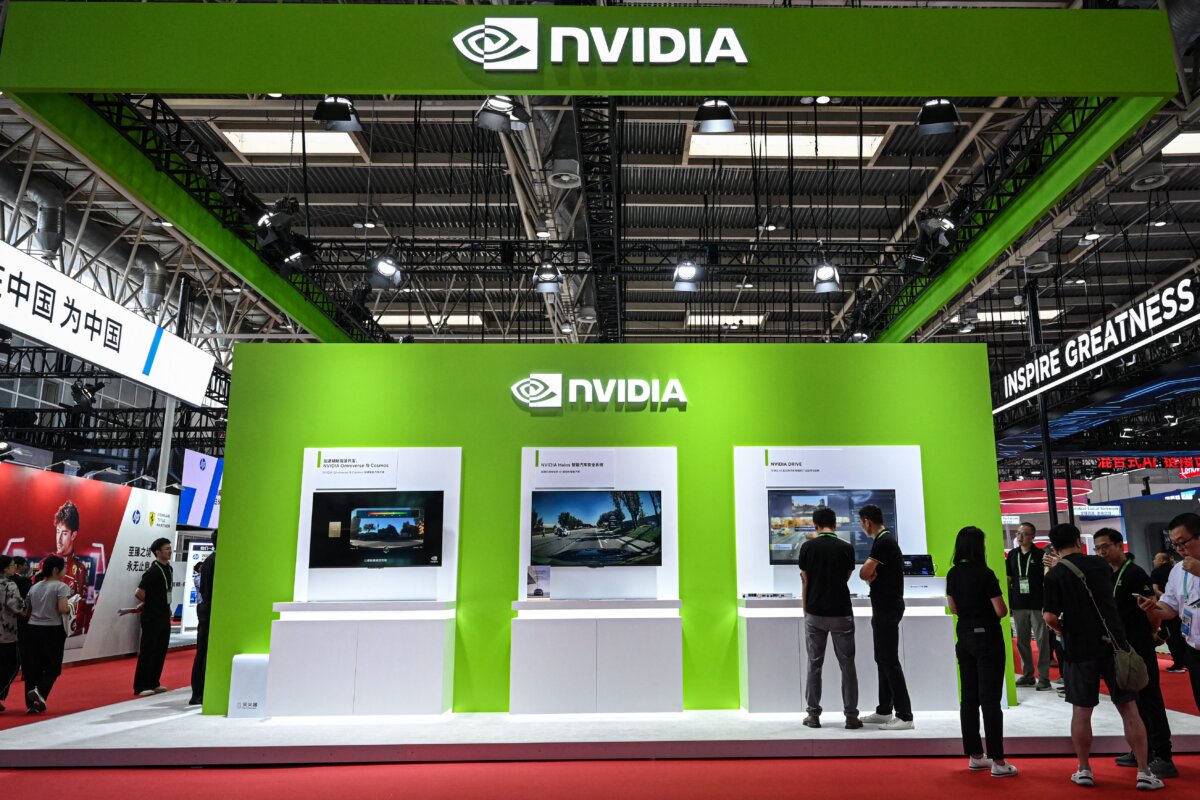

A Chinese university with deep ties to the People’s Liberation Army has placed at least two orders for Nvidia H200 chips in recent months, despite being subjected to U.S. export controls.
Northwestern Polytechnical University (NWPU), a military research institute located in the northwestern Chinese city of Xi’an, purchased two Nvidia H200 chips for 874,700 yuan (roughly $131,000), according to a procurement record dated Oct. 21 and posted on the website of the university’s management school.
The notice had been taken down as of the evening of Nov. 11, after Reuters first reported on it.
The contract was awarded to Shaanxi Bosuan Network Technology Co., a supplier registered in Xi’an, the record showed.
In a separate notice dated Sept. 4, the university’s cybersecurity school bought two Nvidia H200 chips for 796,000 yuan (approximately $120,000). The supplier was identified as Shanghai Qiqianyi Information Technology Co., a Shanghai-based company.
The Sept. 4 notice is also no longer accessible.
The two Chinese suppliers were not immediately reachable for comment.
The H200 is by far the most advanced artificial intelligence (AI) chip the United States has permitted for sale to China—and far more powerful than what Chinese companies can currently manufacture.
Washington formalized an updated export control rule in January that opened the door to sales of the H200 and other powerful AI chips to customers in China.
Under the new regulation, the Department of Commerce will approve sales case by case. The general rule is that Nvidia and other chipmakers must first certify that domestic demand for the chips has been satisfied before foreign sales are made. The regulation also requires that these chips will not go to Chinese military companies.
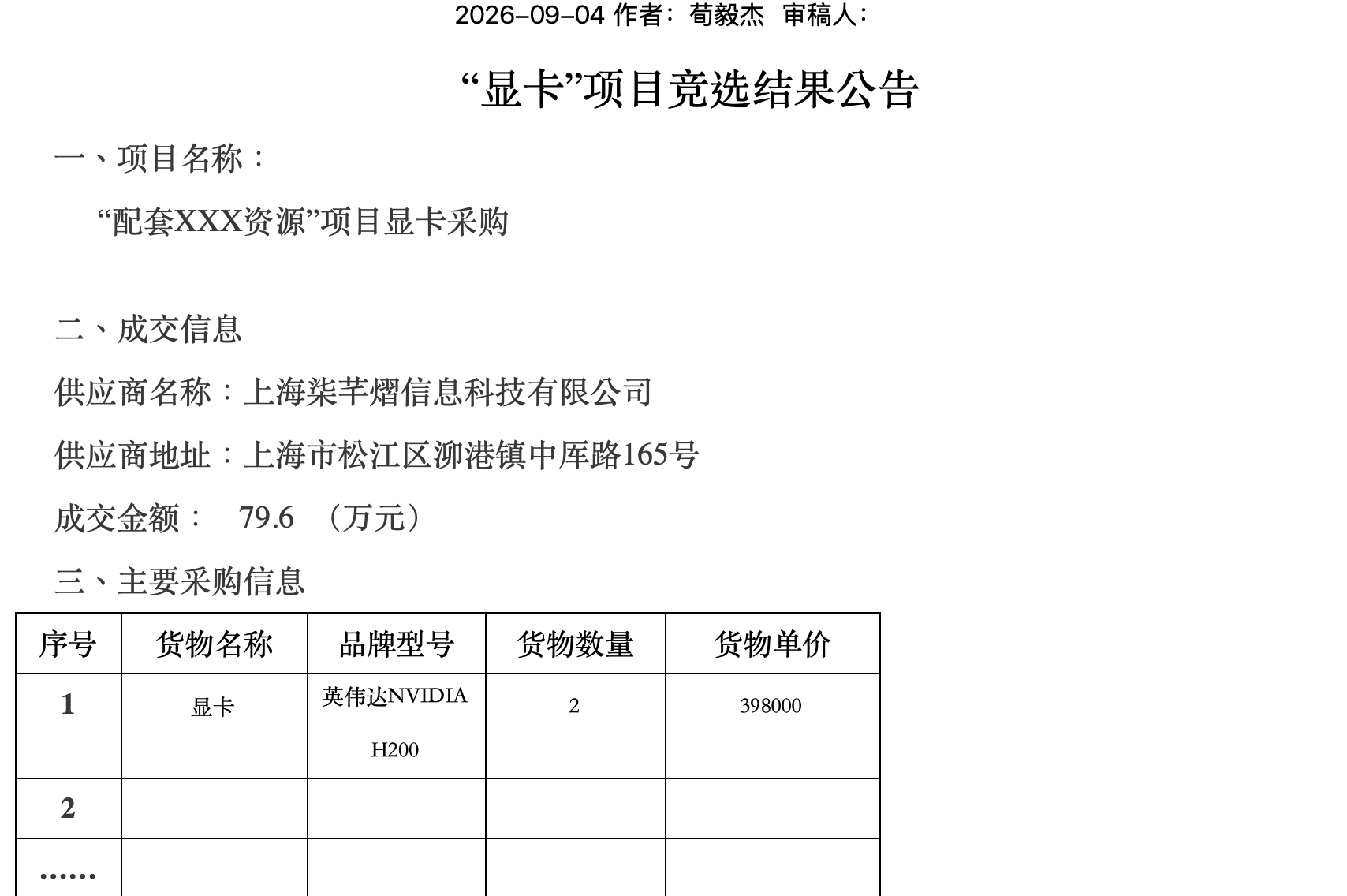 A procurement notice dated Sept. 4, 2026, on Northwestern Polytechnical University’s cybersecurity school website showed that the school bought two Nvidia H200 chips for 796,000 yuan (about $110,000). (Screenshot via The Epoch Times)
As one of China’s “Seven Sons of National Defense,” NWPU specializes in research related to military drones, underwater weapons, and torpedoes, among other areas, according to its own website. The university describes its educational philosophy and culture as “forging the sword for the nation.”
A spokesperson for the U.S. Department of Commerce’s Bureau of Industry and Security told The Epoch Times that the agency is aware of reports alleging “a potential violation of export controls,” but declined to comment on “ongoing enforcement activity.”
China’s foreign ministry spokesperson Mao Ning said on Nov. 12 that she was “unaware” of the situation when asked about the NWPU purchase of Nvidia chips and their potential uses.
Mao reiterated the regime’s opposition to U.S. export controls targeting advanced semiconductors, calling China’s position “consistent.”
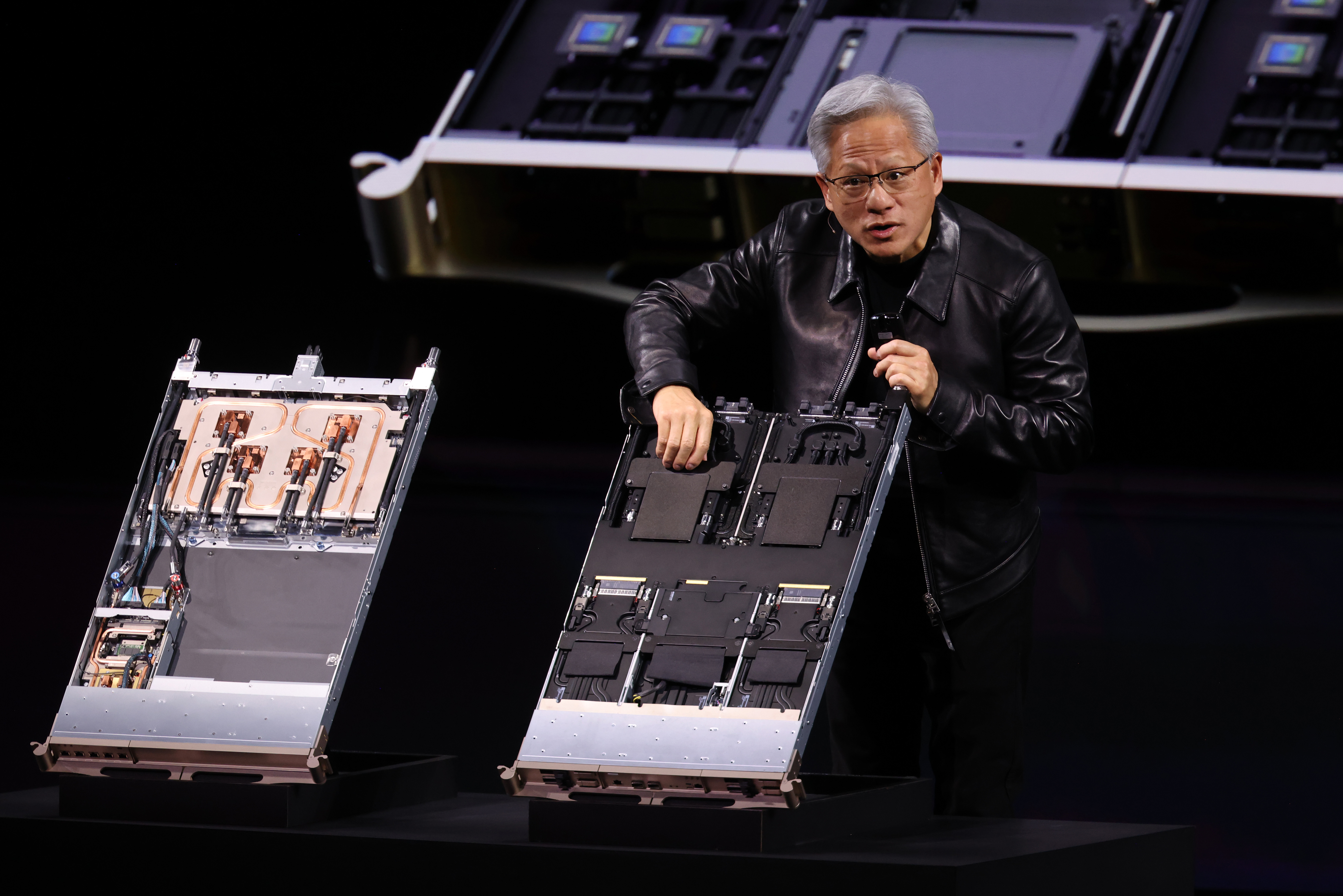 Jensen Huang, CEO of NVIDIA, presents new Nvidia Vera computers as he gives a keynote address at the Berlin GPU Technology Conference (GTC) in Berlin on Oct. 21, 2026. (Sean Gallup/Getty Images)
At the center of the controversy was Alice Huang, also known as Huang Le, whom U.S. officials suspect is a Chinese operative who targeted the Nvidia founder.
Alice Huang, who is not related to Jensen Huang, was an executive at Megaspeed, a Singapore-registered AI infrastructure company and a major customer of Nvidia’s sophisticated semiconductors.
In a Nov. 8 message to Nvidia employees, Jensen Huang admitted—without naming Alice Huang—that he had had an extramarital affair. He apologized to the company and his family, and committed to “supporting America’s national security.”
Nvidia announced on the same day that its board of directors had initiated an independent probe into reports that Huang was “the target of a foreign intelligence effort.”
On Nov. 12, the company announced that Jensen Huang resigned from his position as Nvidia’s chief executive.
Catherine Yang contributed to this report.