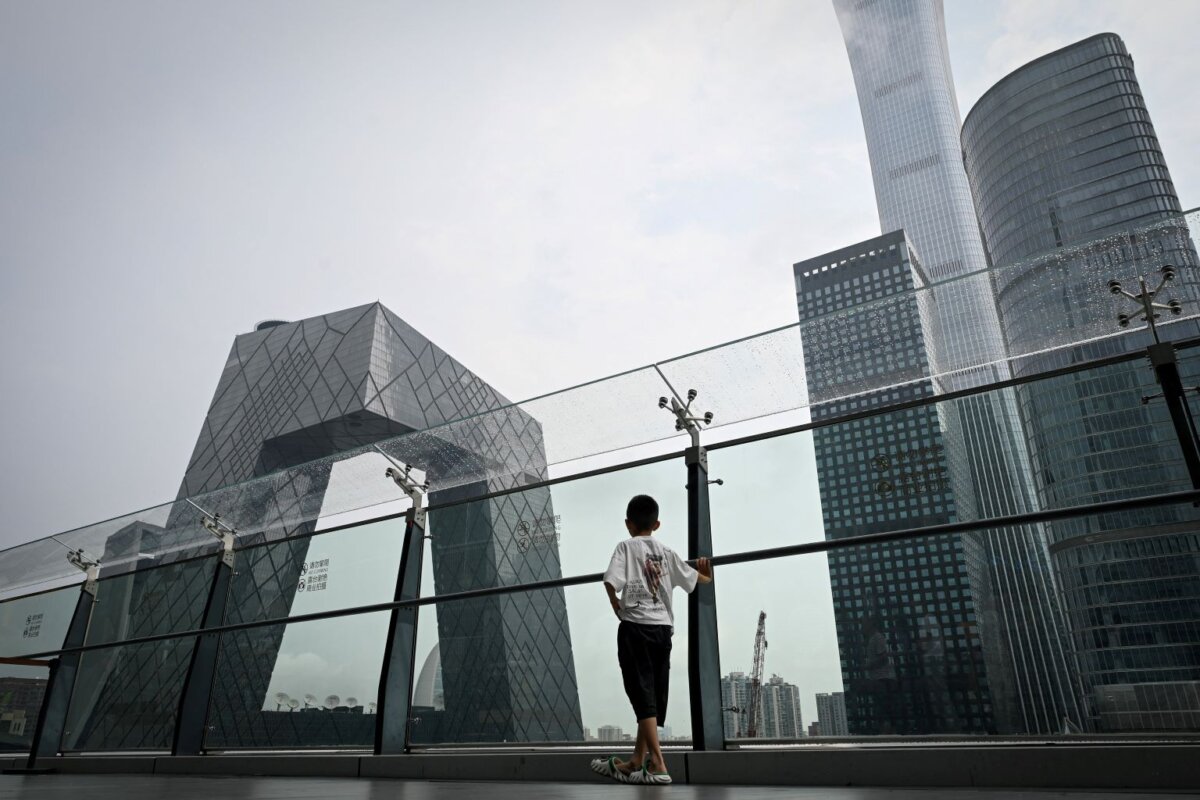

China’s Ministry of Finance held a rare “warning and education conference” on July 16, where Minister Lan Fo’an called on Chinese Communist Party (CCP) officials to crack down on “hedonism and extravagance.”
The campaign urged all levels of government to “get used to hard times” and curb spending, a message that has become increasingly common amid the country’s worsening economic outlook.
This latest austerity push reveals a deeper crisis that is putting China’s local governments and civil service under mounting strain, according to China watchers who believe that the underlying reasons for the push are to protect the regime’s stability amid an economic downturn. As financial resources are drying up across the country, what little remains is being funneled into the regime’s core instruments of control—the police, surveillance, and military.
“[Everything] is being redirected toward stability maintenance,” a former regime official who worked at China’s top economic planning agency told The Epoch Times, asking to be identified only as Ms. Lin to protect her identity.
“Stability maintenance” is a term used by the CCP to refer to tactics in repressing dissent, surveillance, and maintaining the exclusive authority of the Party’s authoritarian regime.
From Extravagant Banquets to Street Food Stalls
“Now it’s gone ‘far-left,’” Lin said. “Forget official banquets [on taxpayers’ money]—even private dinners now require prior approval. Party members have to report if they want to gather for a meal.”
High-end restaurants once frequented by CCP officials are now largely empty. Chefs and waitstaff have taken to the streets to sell street food and lunch boxes just to survive. Lavish celebrations have quietly disappeared.
“The ones suffering most are alcohol vendors. No one is buying baijiu, red wine, or even beer anymore,” Lin said.
In the past, top Chinese liquor brands were notoriously on “special supply” to the CCP officials, all billed to Chinese taxpayers. It was viewed as a symbol for the regime’s corruption.
Lin worked as Section Chief official in a city under the Anhui province branch of the National Development and Reform Commission (NDRC), the CCP’s top economic planning agency that shapes China’s economic growth and holds immense power to set industrial policies and infrastructure planning.
Budgets Underwater
According to Lin, austerity is just one symptom of a broader financial breakdown under the communist regime. With debt levels soaring and land sales—a major source of local government revenue—collapsing, the CCP’s local governments are struggling to stay solvent.
“In poorer provinces like Tibet, Guizhou, or the northeastern provinces, over 60 percent of funding now comes from central government fund transfers,” she explained. “But even the central government is running low. [Local] governments simply cannot sell land anymore because property values have crashed.”
She cited a case in her local district involving a business accused of having ties with organized crime. Both district and city-level finance departments fought to seize their assets in order to fill their deficits. Even public sector wages now rely on borrowing from hospitals or from city investment companies that mortgage assets to secure bank loans.
“The system is just borrowing from one pocket to fill another,” Lin said.
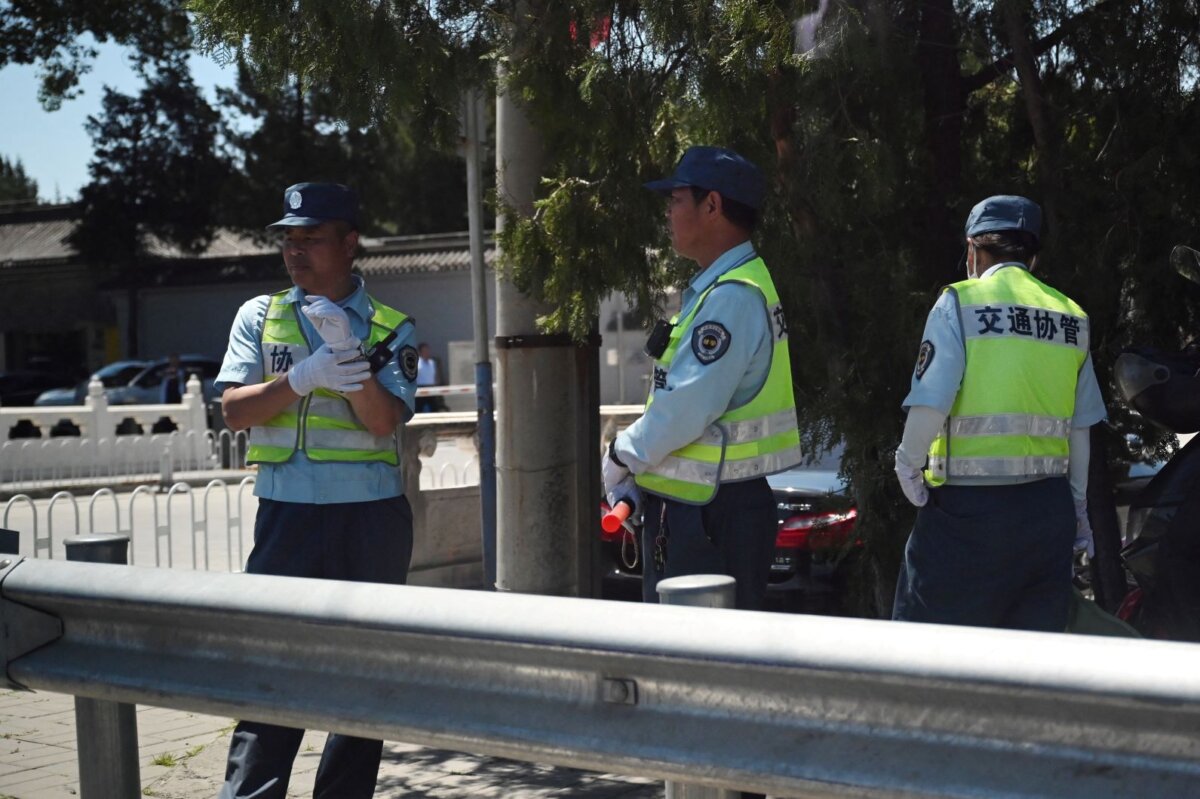
Unable to rely on traditional income streams, some of the CCP’s local governments have turned to aggressive fines. Lin noted that with fewer people driving due to high gas prices, Chinese traffic police now lurk at intersections, targeting electric bike riders without helmets—an easy 50-yuan (US$7) fine.
Civil Servants Hit by Cuts
During better economic times, China’s public sector jobs came with generous perks including housing and transportation subsidies, year-end bonuses worth half a year’s salary, 13-month pay packages, and multiple annual incentive awards.
“Those days are over,” Lin said. “Even performance bonuses are being delayed or canceled. Teachers didn’t get last year’s bonus, and this year looks even worse.”
Even those within the regime’s security forces are not immune. Lin described how the CCP’s Public Security Bureau, faced with a funding crunch, has hired large numbers of auxiliary officers—paid primarily through fines.
U.S.-based Chinese civil rights activist Chen Guangcheng also told The Epoch Times that China’s downturn is visibly affecting even elite units.
“One friend used to be followed constantly by state security officers. They’d ride the same trains and flights and stay in nearby hotels,” he said. “Now, they’re switching to cheaper hotels or not even tailing people anymore. Not because of goodwill—but because they can’t afford it.”
Austerity for Some, Stability for Others
Independent Chinese scholar Wu Zuolai recently posted on X that he had spoken with mid-level CCP officials who are not making any exit plans, but rather preparing for a prolonged crisis.
“In a real crisis, they said, the [Chinese] state’s resources will prioritize those within the system and protect core cities,” Wu wrote. “Military and police forces will be the first [to receive funding].”
Another former regime official spoke to The Epoch Times on condition of anonymity and echoed that sentiment. “The Ministry of Finance’s crackdown [on spending] is really about reallocating funds to stability maintenance,” the former official said. “[They’re] making cuts to sustain the regime’s core interests and members of its apparatus.”
In other words, during this crisis, the CCP’s funds will continue to be directed to benefit the regime’s core oligarchy and to maintain the regime’s total control over the state.
Mass Discontent
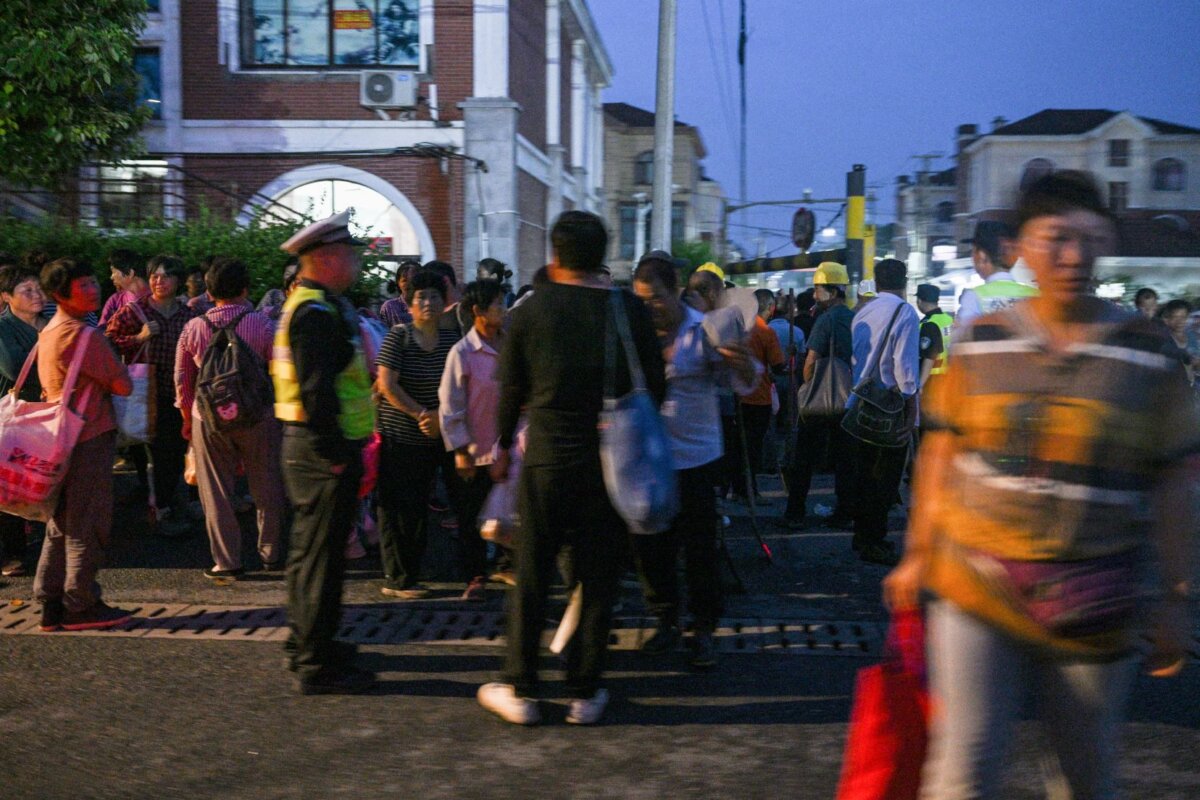
According to Lin, growing public anger toward the current disparity is inevitable.
“Shops are closing everywhere. Movie theaters are shut down. Even neighborhood grocery stores can’t survive,” she said. “Young people have no jobs and live off their parents, who still have to pay mortgages and feed the whole family.”
The public is restless, she warned. “There’s a sense of hatred in society now. There are fears of internal conflicts.”
Downturn Winners
Lin said that the one sector that is doing well in this crisis is the CCP’s military.
“Even junior officers earn over 10,000-20,000 yuan (US$1,400-2,800) a month, with excellent benefits and medical reimbursement,” she said.
In comparison, local government employees earn less than half of what military personnel earn. Analysts believe that as China’s economy continues to unravel, funding will increasingly be channeled toward institutions capable of maintaining regime stability, even at the cost of basic government services and public well-being.
According to the former regime official who spoke to The Epoch Times anonymously, austerity is the CCP’s current survival tactic, and only some are meant to survive in this crisis.
Li Yuanming contributed to this report.







