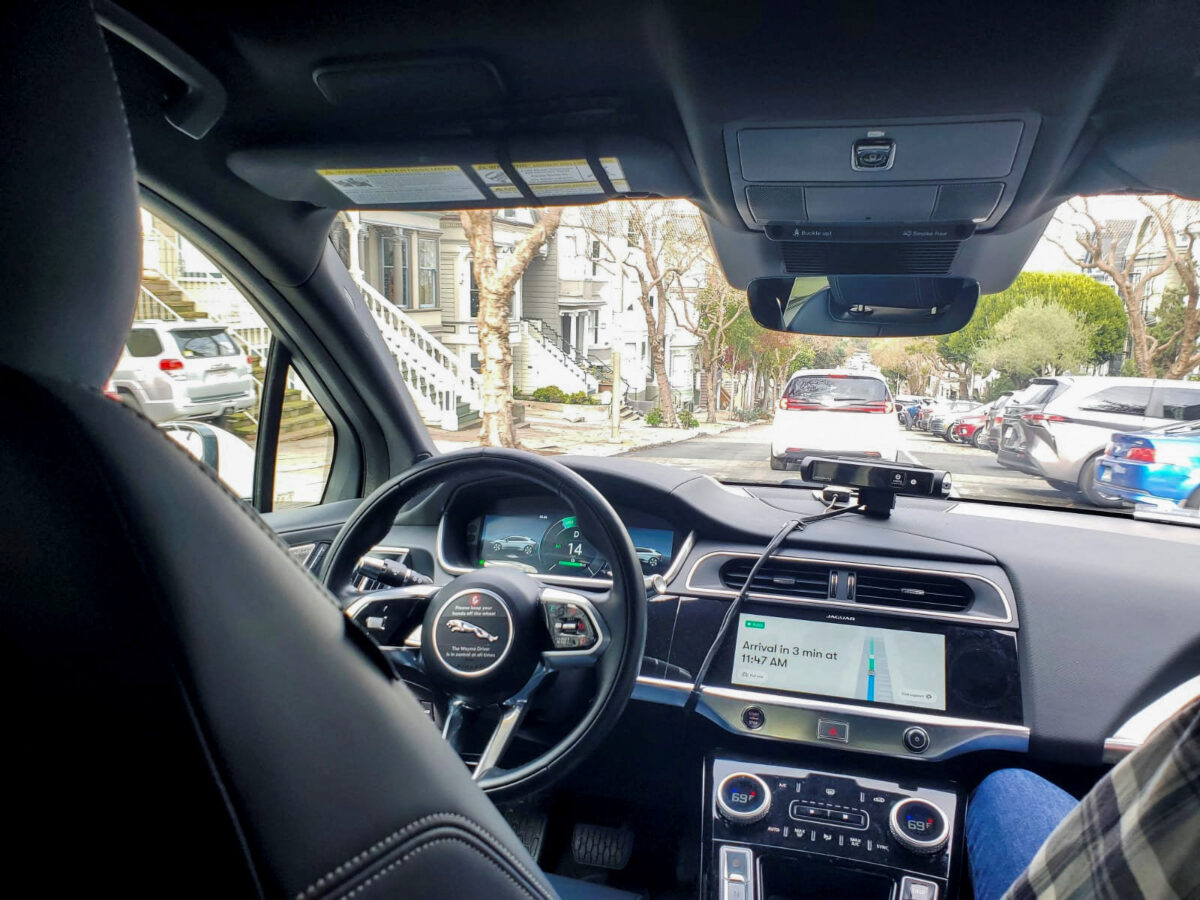

Waymo has issued a recall of 4,488 self-driving vehicles involving a software glitch that could allow the vehicle to drive in a closed lane on a highway, increasing the risk of an accident.
According to a report posted on Nov. 24 by the National Highway Traffic Safety Administration (NHTSA), this recall involves certain 5th Generation and 6th Generation Automated Driving Systems (ADS).
The Mountain View, California-based company owns and operates the world’s first fully autonomous ride-hailing service. It started operations in 2009 as the Google Self-Driving Car Project.
While the final remedy is still under development, since Nov. 11, Waymo has modified the scope of operations to avoid conditions presenting an increased likelihood of encountering closed freeway lanes.
The NHTSA indicated that between Oct. 1 and Nov. 6, eight Waymo vehicles entered lanes in freeway regions that were closed by cones, highway patrol vehicles, or construction. On Nov. 9, three more Waymo vehicles entered highway lanes marked with cones as closed for construction.
The company has received no reports of collisions or injuries in any of these events.
Meanwhile, the company recently updated its ADS software for those same recalled vehicles to correct another software error that could have caused a vehicle to fail to remain stopped for traffic control hand gestures, and instead proceed into an intersection.
A separate report posted on Nov. 24 by the NHTSA indicates that the glitch could result in the vehicle moving ahead after initially stopping for traffic control hand gestures from law enforcement, which increases the risk of a crash.
Waymo reported that all affected vehicles were repaired by Nov. 6.
This followed a May 8 incident in which a Waymo vehicle was involved in an intersection collision where police were manually directing traffic. The report indicated that as the vehicle approached the intersection, an officer signaled the vehicle to stop. While it remained stationary, passing cross-traffic temporarily obstructed the officer from the vehicle.
“The Waymo vehicle subsequently proceeded into the intersection once the intersection appeared clear, and a collision occurred with a vehicle that emerged from behind a large occlusion,” the report stated.
Meanwhile, as of Nov. 11, the California Department of Motor Vehicles has banned Waymo taxis from state freeways after a group of Waymos entered a closed construction area, and one Waymo attempted to pass highway patrol cruisers.
The agency found that Waymo’s driverless freeway operations posed a hazard to public safety following those incidents and is currently reviewing the situation to determine if Waymo can restart operations on freeways.
According to the Waymo website, riders can use the Waymo app to hail a self-driving taxi 24 hours a day, seven days a week. The service currently operates in 13 U.S. cities, including Los Angeles, Phoenix, Tampa, and Dallas.
The company also claims that its self-driving vehicles have had 95 percent fewer serious injury accidents than human drivers.
The vehicles’ related hardware includes a sensor suite with lidar, cameras, radar, and an AI platform. The software collects information from the sensors to determine where the vehicles are, what is around the vehicles, and what will happen next.