
Prices for goods and services rose more than expected in October, highlighting persistent sticky inflation in the U.S. economy.
October’s Consumer Price Index—a monthly measure of costs across the marketplace—jumped 0.4 percent, according to new Bureau of Labor Statistics data released on Nov. 10.
The consensus forecast pointed to a 0.3 percent rise.
Shelter costs accounted for more than 30 percent of the monthly increase.
The food index also climbed 0.5 percent, with supermarket costs growing 0.4 percent and food away from home surging 0.5 percent.
In what could be a good sign for upcoming inflation reports, energy costs sharply decelerated last month.
The index rose 0.7 percent, down from the more than 5 percent spike in September. Gasoline also ticked up 1 percent, from 9.1 percent the previous month.
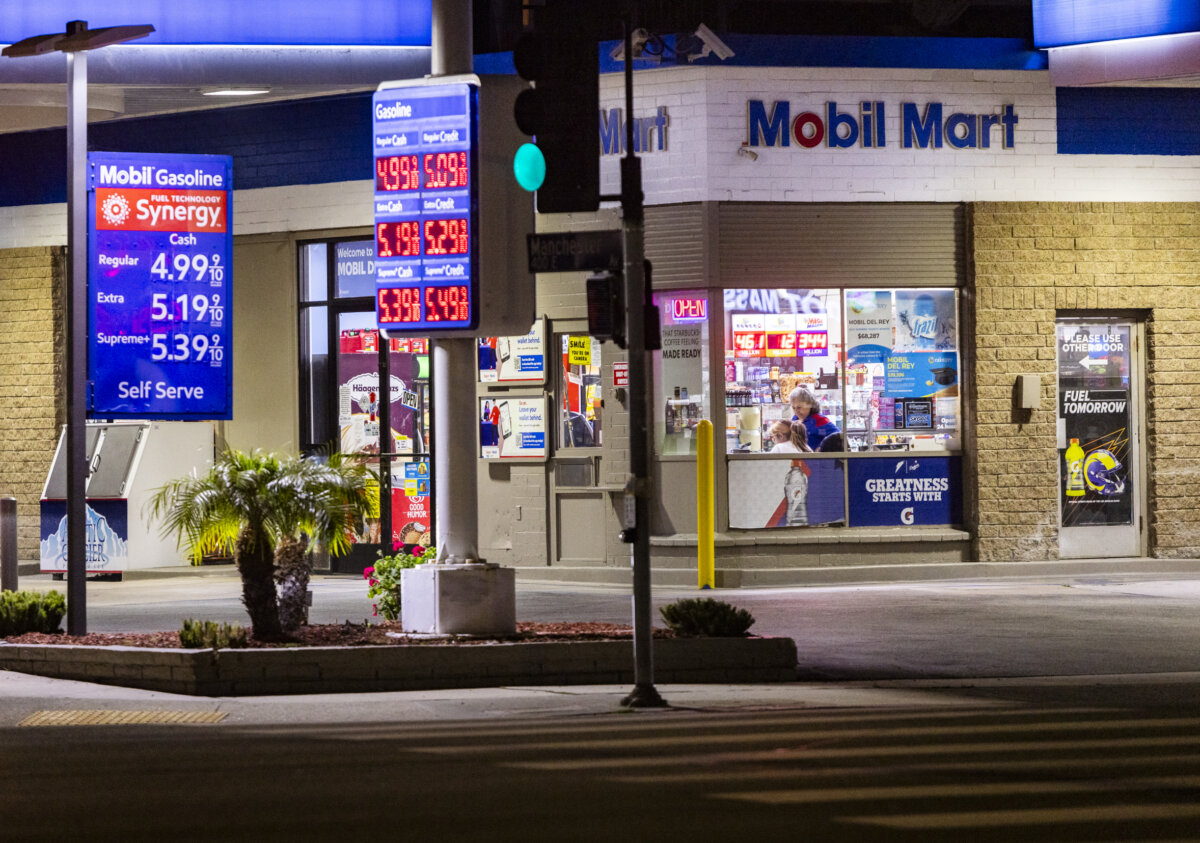
Recent data suggest motorists are feeling less pain at the pump.
The national average for a gallon of gasoline fell below $4 on Nov. 10, the first time since July, according to the American Automobile Association.
A key factor has been the steady drop in global oil prices, fueled by growing optimism of a diplomatic resolution to the Iranian conflict.
A barrel of West Texas Intermediate—the U.S. benchmark for crude prices—sank to around $86 on Nov. 10. International benchmark Brent also fell to under $92 per barrel in overseas trading.
Excluding volatile energy and food prices, core inflation rose 0.3 percent, above the market estimate of 0.2 percent.
Prices for tariff-sensitive items were mixed.
Apparel costs inched up 0.1 percent, while new vehicles rose 0.2 percent. Appliances and smartphones surged more than 1 percent. Televisions rocketed 3.3 percent.
 People shop in Washington on March 12, 2026. (Madalina Kilroy/The Epoch Times)
According to the Cleveland Federal Reserve Inflation Nowcasting Model, the 12-month consumer inflation rate would have come in at 3.7 percent. Core inflation would have eased to 2.5 percent year over year.
Looking ahead to the November CPI report, the Cleveland Fed forecasts annual inflation at 3.9 percent. Core inflation is expected to swell to 2.8 percent.
Structural inflation could be picking up, said Oliver Rust, head of data at Truflation.
“Core goods inflation is strengthening, and the rate of growth is accelerating,” Rust told The Epoch Times in an emailed note.
“Elevated oil prices, tariffs and import costs are now filtering into core goods, whether through transportation, the logistics of moving goods, or manufacturing. It’s most evident in vehicle prices and apparel.”
Real average hourly and weekly earnings (inflation-adjusted) were unchanged over the month, the bureau said in a separate report.
Hot Inflation Spooks Markets
U.S. stocks took a breather after a hot inflation report and a top Federal Reserve official teased a half-point interest rate hike ahead of next month’s policy meeting.
The leading benchmark averages were in the red at the closing bell.
U.S. Treasury bond yields also accelerated across the board, with the benchmark 10-year surging to almost 5 percent. The 30-year also topped 5.3 percent again. The 2-year yield, which typically tracks Fed policy expectations, soared to above 4.7 percent.
 Federal Reserve Gov. Christopher Waller testifies in Washington on Feb. 13, 2020. (Sarah Silbiger/Getty Images)
“In that case, I believe a 50 basis point hike in the policy rate should be considered at the December meeting,” he said. “Hiking only 25 basis points would put our credibility at risk, a risk I am not eager to take.”
For now, futures markets are penciling in an 86 percent chance of a quarter-point increase, according to the CME FedWatch Tool.
“Given the higher-than-desired inflation, it is even more likely now that the Fed will raise rates in December,” Chris Zaccarelli, chief investment officer for Northlight Asset Management, told The Epoch Times in an emailed note.
The next question, says Zaccarelli, is whether the Fed will follow up with another quarter-point hike in January or take its time in 2027.
What the Fed does is crucial for investors because a more patient central bank can make it “easier for stock bulls to navigate,” he said.
“A more aggressive Fed could prove to be too big of a headwind for the market to overcome next year,” he added.