
The inquiry also hinted that such documents showed British officials knew George Bush intended to invade Iraq even if they complied with the U.N. weapons inspections.
In a statement marking the end of a month of public testimonies by senior decision-makers broadcast live on the Web, inquiry chairman Sir John Chilcott said that secret documents allowed the panel to see what really went on.
“They allow us to shine a bright light into seldom-seen corners of the government machine, revealing what really went on behind the scenes, before, during, and after the Iraq conflict,” said Sir John.
The inquiry team will examine the documents over the next few months said Sir John, allowing the panel “to see where the evidence joins together and where there are gaps.”
After the examination of the documents, more of which he emphasized were still being received every week, the inquiry team would be in a position to decide who else to interview.
“We have no reason to believe that any material is being deliberately withheld,” said Sir John, emphasizing that access to documents is unrestricted.
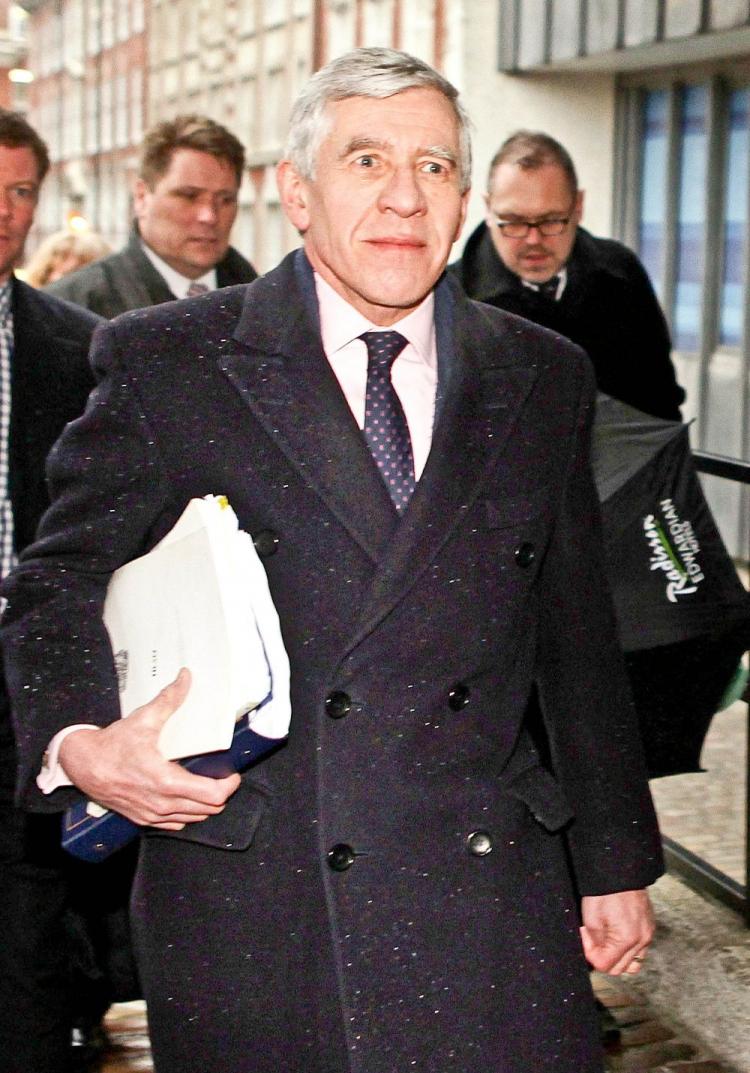
The statement by Sir John followed the second quizzing of the foreign secretary at the time of the Iraq invasion, Jack Straw.
One exchange hinted that the panel had access to secret documents revealing that George Bush planned to attack Iraq even if Iraq complied with inspectors and was in compliance with crucial U.N. resolution 1441.
Sir Lawrence Freedman had asked Mr. Straw, “Was there any point where [Colin] Powell said to you that, even if Iraq complied, President Bush had already made a decision that he intended to go to war?”
When Mr. Straw said this was not the case, “to the best of my recollection,” and talked more broadly around the question, Sir Lawrence pressed him a few times on the issue.
Sir Lawrence Freedman said, "I was going to suggest you might want to look through your conversations and check."
“I will go through the records, because I think you are trying to tell me something,” said Mr. Straw.
Mr. Straw also said he had no recollection of Claire Short’s accusation that she had been “jeered at” by members of the Cabinet when she challenged the legality of the invasion. “This was a very serious Cabinet meeting. People weren't, as I recall, anyway, going off with that kind of behavior. We all understood the gravity of the decision,” she said. Short resigned as International Development secretary two months after the invasion of Iraq, and has been an outspoken critic of Mr. Blair and the Iraq war.
Mr. Straw had denied that the Cabinet discussion on the attorney general's advice on the legality of invasion had been blocked, and said that there was no way the members of Cabinet could be unaware of the finely balanced nature of the legal argument, given its wide attention in the media.