
May 30, Global Q&A: “What’s life like for single-mothers in your country?”
Usually single moms experience great difficulties, either financially, or coping alone, if there's no family support. In some countries, these women have an easier time if there is government funding. This is what Epoch Times reporters discovered from Islamabad to Wellington when they asked locals: “What’s life like for single-mothers in your country?"
|
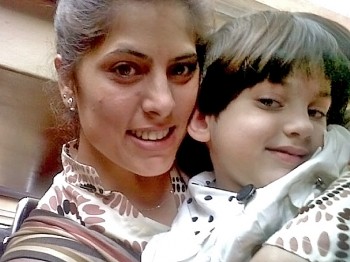
In Pakistan it is very hard, extremely hard for single mothers. I myself am raising my three daughters all by myself with absolutely no help from my former husband. I work a full-time job and don’t make enough as a producer [$500/month] to pay all my bills and that is why I have to live with my extended family. … Here in Pakistan there is also a cultural stigma about being divorced. … There is so much pressure for me as a single parent that I have decided I would like to get married again, if I can find a financially secure and responsible partner. |
|
It’s very difficult. If that mother doesn’t have someone to help her, a mum or relative, I cannot imagine how she could manage. It’s almost impossible as she could not afford to take care alone of the child or if she works, she still needs someone trustful to mind the baby. I am a single mother and I don’t know what I would do if I didn’t have my mum to help me in so many ways, even to stay all day long with my little girl while I am at work, in the town close to the village my family lives. |
|
In my country it is very difficult, especially from the economic aspect. In most cases the father does not contribute to support the education of children, therefore, all the responsibility falls on the mother who has to work, to care, and to educate [her children]. I am a single mother; I would have liked my son to be born and raised in a home set up with both parents. But it's not the case and I advise people to think carefully before committing the error and to be more responsible. |
|
I think they have it quite well in Sweden, compared to many other countries. If you have a hard time to make it through, you can get help and financial support from the state. [ed: Maria is not a single mother.] |
|
I have no personal experience, though I guess it’s pretty hard. Even we who are married are struggling, let alone them, without a partner, although they have some benefits [from the government]. They’re short of not only the financial support, but also the mental one. It is difficult being alone. Also, it depends on the job the woman has, like a lawyer, or doctor, then it’s fine. If you have a job like mine and more children, you really struggle. |
|
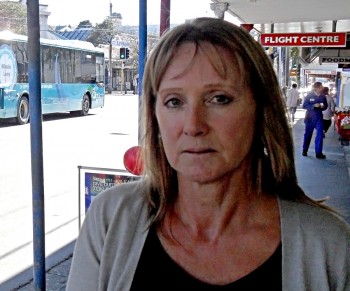
I would think pretty shocking. They’ll be pretty poor and I think they don’t get enough money from the government. They could do a little bit more with food vouchers, discount housing, associated with power and that sort of thing. I know quite a few [single mothers]—very tough just trying to get back on your feet. There is no extra money so that is the hardest thing, and child care is expensive so they’re just trying to better themselves, but it’ll be pretty hard. |
|
To be a single-mother in Bulgaria is very hard. But not because of public opinion that, in the past, condemned such social status; it has changed significantly during recent years. The hardship comes from the social policy in the country. Monthly social aid for children is very low—$20 (35 Bulgarian Leva) per child. With this money no mother could meet the needs of her child, regardless of its age. When employers find out they have a pregnant employee, they either try to fire her, or to reduce her salary, in order not to pay higher penalties afterward. |
|
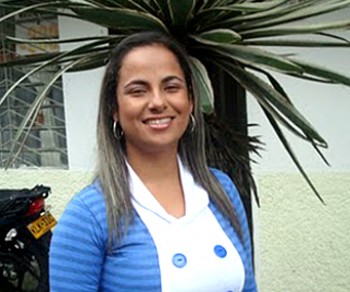
The most traumatic part for a single mother is the economics, especially when we want to continue studying and prepare ourselves to get ahead. For example, when I had my baby, I returned to college to finish my last semester. My baby was new born, so I had to resort to many things, like selling candy at the university so that I could finish my career studies, be able to eat, and have the time required to stay there. Here in Colombia the state provides aid for women who are in a low-income group. |
|
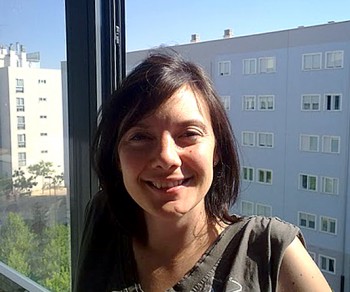
Well, being a mother with a partner, it’s really difficult; so if you are a single mother it’s even more so. I know it well, since a close work companion of mine is a single mother. In Spain there is a lot less government aid for women in this situation, but looking at it from a social perspective, things in Spain have improved a lot since 20 years ago when a single mother was socially isolated. Now instead, there are even cases in which women have decided to have their babies without being married using artificial insemination. |
|
I’m from Holland, but I live in Egypt and I’m on a business trip to Dubai. Life for single mothers in Holland is fairly secure as we have fantastic social benefits and we also have fantastic day care facilities. So, for a single mother, life will not be different from life as a family. She can work and will have enough income to make a good living. |
|
Actually, life for single mothers in Australia I think is exceptionally good. The welfare looks after them very well. I think it’s a great country to bring children up in. It’s fantastic. It’s probably one of the best countries in the world, if not the best.
Look for the Global Q&A column every week. Epoch Times correspondents interview people around the world to learn about their lives and perspectives on local and global realities. Next week’s global question: “What’s your favorite birthday tradition?”
|