
Balance is needed, along with parent’s guidance with technology. Computers are presently dominating some children’s lives, and people have concern for the future of our children. This is what Epoch Times reporters from Bratislava to Wellington found when they asked locals: “How well do you feel your country is balancing technology and nature in educating children?”
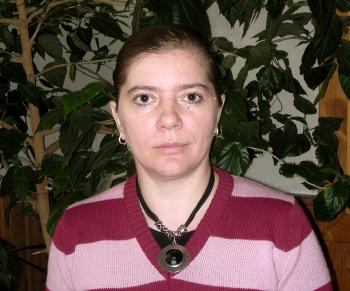
Elena Ghenghea, 41, English Teacher
We can hardly talk about a balance between technology and nature in the educational system in our country. Generally, there is this theoretical level; we explain to our children the importance of helping the environment, but practically we do not really act accordingly. We sparingly encourage them to use technology to help nature. … They might be encouraged to use computers more than paper, so that huge amounts of paper could be saved, and many trees would be spared. I ask students to present their assignments using their computers in a way to be attractive for their mates.

Kerene Strochnetter, 52, Executive Coach
I think schools and teachers do a great job of teaching children values. Technology does allow children access to immoral content, but it is up to parents to protect their children. Children are not as green [innocent] as they used to be.
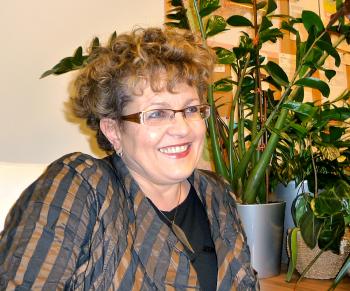
Jana Hladná, 48, Project Manager
My 16-year-old son, despite the education at home, as well as in school, inclines toward computers, technology, and cars. For now, he rejects nature and sports. He is also interested in music, but only as a sound man. He doesn’t even like to go on foot anymore, only by car. I still love him.

Sandi Strijland, 65, Retired
I think there’s too much technology. We don’t understand a lot of it and we’re not too sure if it’s really good for children’s health. We were brought up with a lot of nature things that we went out and played outside and swam in the sea and were not stuck in front of computers and things like that. We’re not really sure how, down the track, it will work out for the children of today.
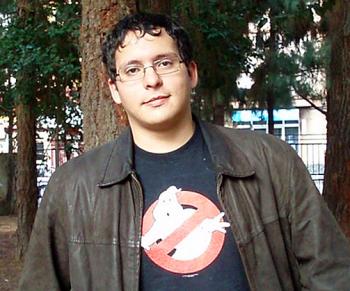
Héctor Santana Naranjo, 17, Student
In the past, we’ve been using a huge amount of paper in teaching centers, schools, universities, [and] books, notebooks, etc. have traditionally been used for students and they were a must. In recent years, the tendency has decreased, and now we see electronic devices grow that substitute paper. Materials, like computers or electronic blackboards, improve the quality of teaching, and as a side effect, let us reduce the use of paper that reduces cutting down trees. Anyway, there is still a long way to go, but I think we are on the right path.
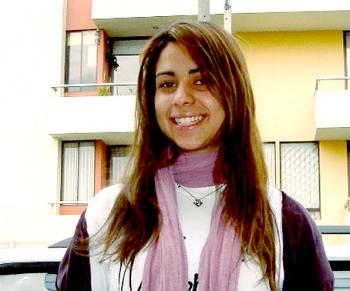
Stella Rossi, 17, Student
It is not balanced. If you have a balance with nature, there would not be people who were stuck all day on the computer or video games, and the only access to nature is with a small ring of grass called a park and nothing else. … More and more cities want to belong to the capital, and the government does nothing to preserve a culture that in rural areas is well maintained, and this affects the education of children, of course.
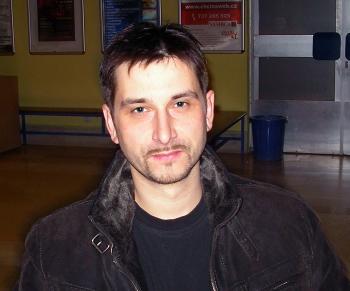
Ondra, 35, Radio Staff
I think it’s just a matter of laziness by teachers and parents alike. As I see it, teachers can go out with children and there are subjects where they can do that. But it’s extra work, so when you play them a TV or a computer, the class is much easier, you don’t have the responsibility for kids out there, and so on.
Look for the Global Q&A column every week. Epoch Times correspondents interview people around the world to learn about their lives and perspectives on local and global realities. Next week’s global question: “When terrorists attack they want people to know about it. Do you think media should report on terrorist attacks?”