
NEW YORK—New York Metropolitan Transportation Council adopted a $700 billion draft transportation plan for 2014 through 2040, though federal funding for 2015 and beyond is still undetermined.
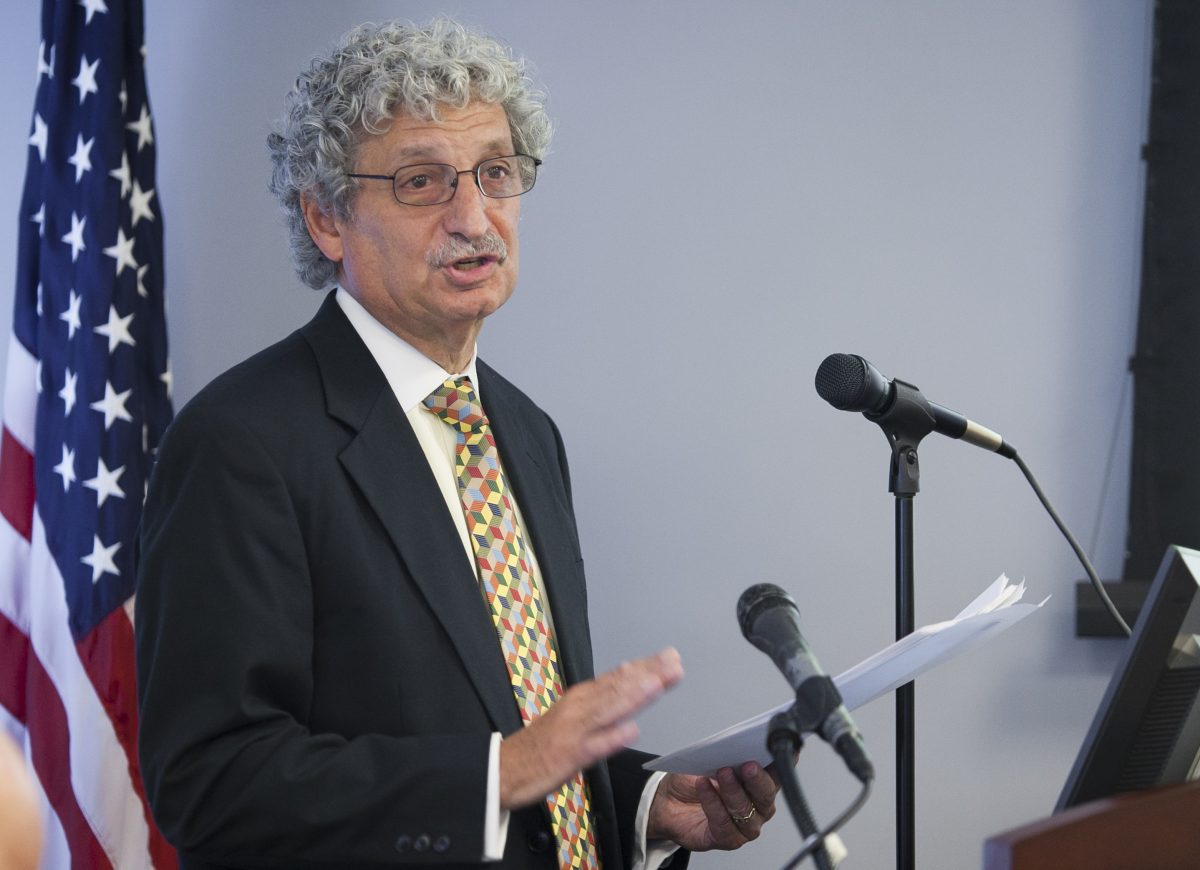
Joel Ettinger, executive director of New York Metropolitan Transportation Council (NYMTC), said it was hard to estimate just how much federal funding the council would receive when the current legislation expires at the end of November, 2014, but hoped funding would continue at the same rate or increase.
New York City will have 518 transportation improvement projects—costing an estimated $19.8 billion—underway for federal fiscal years 2014 through 2018. Some of those projects have already been started, such as the Second Avenue Subway project, expansion of Rapid Bus Service through the five boroughs, and bridge preservation and restoration projects.
Federal, state, and county officials and transportation executives from a range of agencies approved the new transportation plan at the NYMTC meeting in Lower Manhattan on Wednesday, Sept. 4.
Ron Epstein, from the New York State Department of Transportation, said the region covered by the NYMTC is “unlike any other region, because almost two-thirds of the funding is from non-federal sources.”
The NYMTC is a regional council of governments, which plans transportation projects and makes decisions on the use of federal transportation funds for New York City, Long Island, and the lower Hudson Valley. The organization adopts a new long-term plan every four to six years, and receives federal, state, and local funding.