

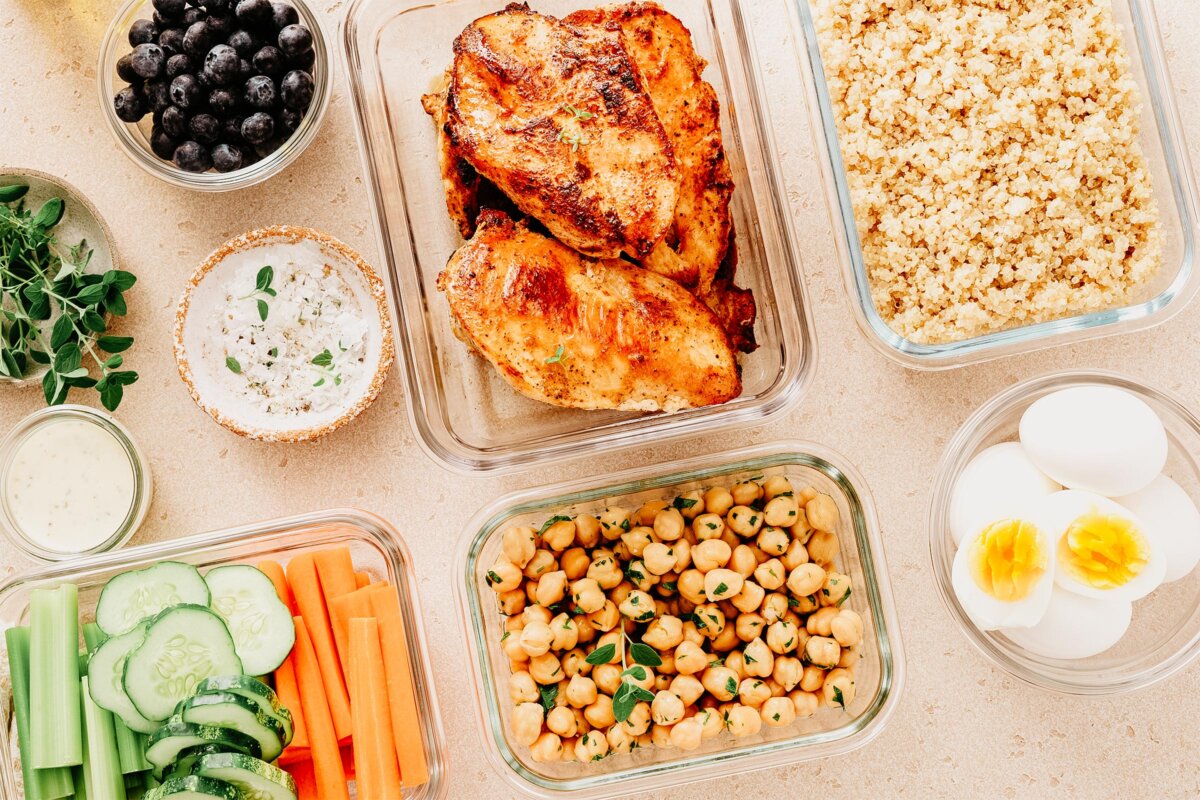
Isolating one amino acid from our diets isn’t possible, as foods naturally contain a mixture of them—reducing one would require a medication or supplement.
Protein intake and amino acid restriction are topics generating provocative questions in the dietary world. Recently, isoleucine—one of the nine essential branched-chain amino acids found in protein-rich foods—has been at the center of discussions about its role in longevity. Eye-catching headlines, such as ‘This Simple Diet Change Can Increase Life Expectancy by 33%’ and ‘The Isoleucine Paradox: Eat More, Weigh Less, Live Longer,’ spark curiosity about whether restricting this single nutrient might influence our health.
In human diets, it is impossible to isolate a single amino acid, such as isoleucine, because foods naturally contain a mix of amino acids. No natural foods exist that are completely free of isoleucine.
As a clinical nutritionist, I felt a responsibility to look into it.
Mouse Models
Currently, the only studies done on isoleucine involve mice. In two similar studies, published in 2023 and 2024, both conducted by Dudley W. Lamming, a metabolism expert from the University of Wisconsin–Madison, mice had their levels of isoleucine changed through their feed formula. In the 2023 study, mice were given feed formula with less isoleucine, while their other nutrients and calories remained the same. In the isoleucine-restricted groups, mice received only one-third of the standard isoleucine level. The results were positive—mice who ate less isoleucine, and thus fewer overall calories, gained less weight and maintained healthier metabolism, whereas mice with higher isoleucine feed did worse, especially males.
“Rodents do eat a little bit differently than us. Primarily, they’re nocturnal. They eat about 70 to 80 percent of their food at night, and roughly speaking, they have one meal every four hours,” Lamming told The Epoch Times.
Translating the Results
Metabolic health expert Donald Layman suggests caution when applying these rodent study results to human health. He highlights the impracticality of isolating and lowering isoleucine in real-world diets.
“In terms of real foods, there’s really no way to isolate restriction of isoleucine without reducing total protein intake. It’s one of the branched-chain amino acids, and animal products are higher in these than plant products—so it’s part of that package.” Layman told The Epoch Times.
Tinkering with one essential amino acid could create imbalances worse than a low-protein diet, with unknown long-term effects, he said. Essential amino acids work in concert, and deficiencies in one can disrupt critical biological processes, especially muscle loss, a major risk factor for poor health outcomes in aging adults.
Lamming and the other study authors note that the benefits of isoleucine restriction for longevity have not been replicated in humans. They also suggest that isoleucine restriction may mimic some of the benefits of calorie-restricted diets—a well-known intervention for longevity in animal models.
A key issue is the difference between rodent and human physiology. Rodents have distinct metabolic and growth patterns, making direct translation of these results problematic.
Protein, Caloric Restriction, and Healthy Aging
What constitutes low or high protein intake is important to understand, as it is individualized, as our activity level, age, and genetics play a role in discovering our ideal daily amount.
Most nutrition experts recommend protein intakes of about 1.2 grams per kilogram of body weight for older adults, which is greater than current recommended dietary allowances. That translates to about 81 grams per day for a 150-pound person, for example, two eggs for breakfast, one portion of fish for lunch, and one portion of chicken or tofu for dinner. Basically, 20 grams three times per day is sound.
For older adults and those seeking to maintain muscle mass and strength as they age, an intake of 1.2 to 1.7 grams per kilogram of body weight is often recommended.
While the 2023 isoleucine study focuses on amino acid composition rather than total protein intake, it does not contradict the need for adequate protein in older adults.
“People who are older are often advised to eat more protein to stave off age-related muscle loss, which is a major cause of losing freedom of action and mobility when you’re older,” Lamming said.
Instead, the isoleucine studies suggest that the quality and composition of protein may be as important as quantity for health and longevity. While in the real world, diets varying by protein composition are not feasible, a medication or supplementation that lowers isoleucine could make that possible.
Of note, Lamming serves as a scientific advisory board member for Aeovian Pharmaceuticals, a company supporting his isoleucine research. Targeted pathways for amino acid therapy for longevity are their focus.
Supplemental isoleucine has already been used in several clinical trials as an intervention for metabolic conditions. One clinical trial underway in people with Type 2 diabetes looks to measure the whole-body protein synthesis rate after 10 days of isoleucine supplementation.
Until more research is conducted, experts recommend focusing on daily adequate protein intake—ethically sourced, if possible—alongside other proven dietary and lifestyle strategies for healthy aging, rather than experimental dietary restrictions with unknown risks.
I tell my patients that eating an excessive amount of calories from carbohydrates, protein, or fats burdens our bodies, increasing risk of diseases of overgrowth, such as cancer and Type 2 diabetes. The best situation is to eat a nutrient balance that meets the activity level needs of the body.
Views expressed in this article are the opinions of the author and do not necessarily reflect the views of The Epoch Times. Epoch Health welcomes professional discussion and friendly debate. To submit an opinion piece, please follow these guidelines and submit through our form here.
