
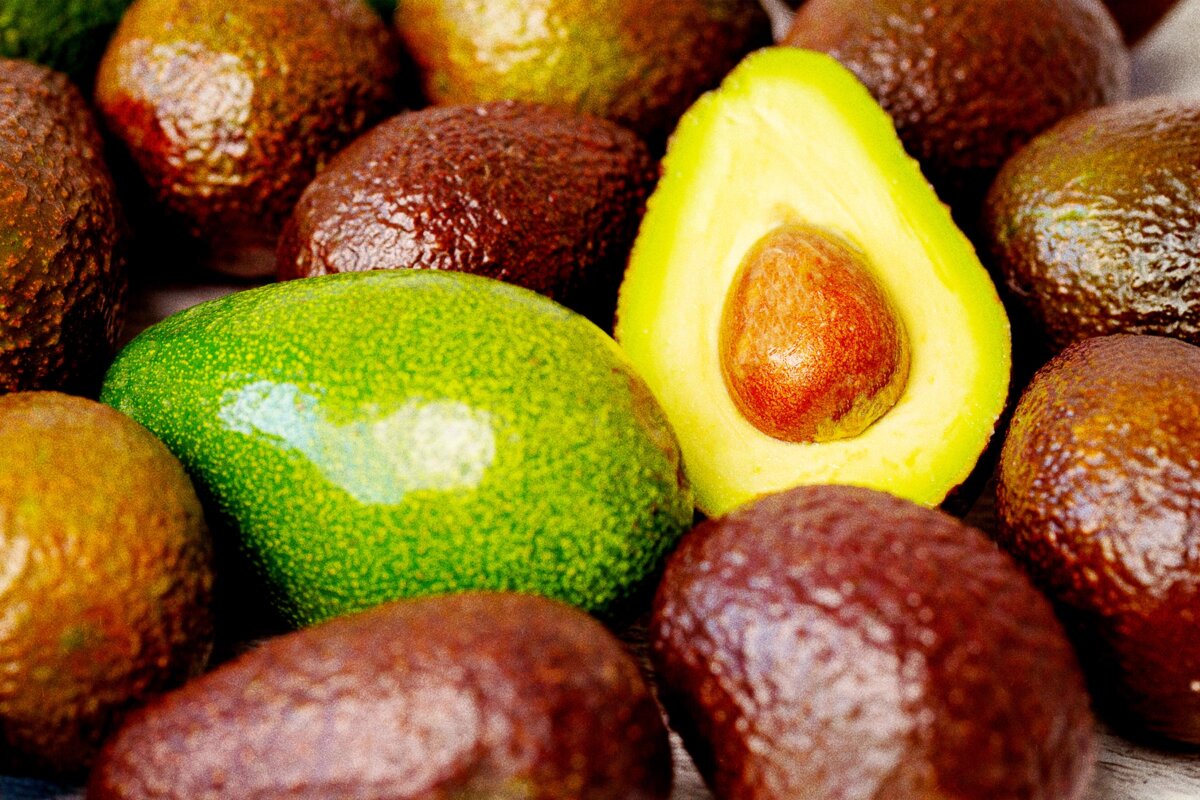
Avocados are more than just the main ingredient in your guacamole—they have become so valuable that they are now a target for thieves. We’re not talking about a few disappearing from a local grocery store.
In 2017, workers from a California produce company stole nearly $400,000 worth of avocados. The thieves even capitalized on the opportunity by selling them back to the company’s own customers.
U.S. avocado production has increased 6-fold in the past two decades, surging from 1.52 pounds per capita in 1998 to an estimated 9.22 pounds per capita in 2023. Here’s a look at more interesting facts about this dynamic and natural food choice.
1. Avocados Are a Fruit
It may be surprising to some people that avocados are not vegetables, and are, in fact, fruits.
“Botanically speaking, they are a giant berry,” said Barbara Ruhs, a registered dietitian nutritionist who works in the avocado industry.
These single-seeded berries, also known as alligator pears or butter fruit, grow on evergreen trees—trees that keep their leaves throughout the year. Although botanically classified as a fruit, avocados are often prepared and eaten like a vegetable, particularly in popular savory dishes like guacamole, or as an addition to salads, sandwiches, tacos, or nachos.
2. Avocados Are an Aztec Symbol of Power and Fertility
The Aztecs referred to the avocado tree as ahuacuatl, meaning “testicle tree” in the Nahuatl language. The name is presumed to be due to their shape, which resembles that part of the male anatomy, and that avocados tend to grow in pairs. For this reason, avocados became a symbol of strength and fertility and were thought to enhance male sexual vitality. According to some accounts, young women were secluded during the avocado-growing season, as avocados were believed to be aphrodisiacs.
Modern research has corroborated Aztec beliefs and is discovering that avocados can indeed enhance sexual health.
A 2024 study found that avocados boost sexual health and performance in various ways. They are considered aphrodisiacs due to their phytonutrient content, which can improve sexual desire, pleasure, and attraction.
Avocados are rich in vitamin E, which improves sperm quality, and zinc—essential for producing testosterone and promoting overall sexual health. The antioxidants and healthy fats in avocados also protect sexual organs from oxidative stress and reduce inflammation. Avocados also benefit expectant mothers, as they contain significant amounts of folate—vital for a developing baby.
3. ‘Avocado Hand’ Is a Thing
Cutting an avocado and extracting the pit may seem like a relatively benign activity, but in reality, it can be fraught with danger. Perilously removing an avocado seed—like whacking it with a knife—regularly causes people to maim themselves, and emergency rooms reported the event was responsible for a sobering 49,000 injuries between 2000 and 2017—or 2 percent of knife injuries—which directly tied back to the increasing popularity of avocados during the same time frame. “Avocado hand” wounds are so common that the term has become recognized in emergency rooms nationwide.
These injuries can range from superficial wounds to more serious injuries that can damage tendons and nerves. Others may be severe enough to require surgery.
The good news is that plenty of resources are available to show you how to cut avocados and remove the pit without putting your life—or limbs—in danger. Our avocado food guide can help.
4. Avocados Are Toxic to Some Animals
Although avocados are popular, healthy, and safe for humans, they are toxic to many pets. Avocado skin, fruit, seed, and leaves contain persin, a naturally occurring compound that can be harmful and sometimes fatal to some animals who ingest it.
According to the ASPCA, persin can cause diarrhea and vomiting in dogs. Horses, donkeys, sheep, and goats, as well as cats, dogs, birds, and reptiles, should not eat avocados, as the persin they contain can cause toxicity, with signs that include labored breathing, lethargy, loss of appetite, lung congestion, cardiomyopathy, and nephrosis, which can be fatal.
If you love avocados and have pets or farm animals, be aware of the potential danger avocados pose to your four-legged friends. If you suspect one of your animals may have eaten part of an avocado, call your vet or the ASPCA Poison Control Center right away.
On a side note, while persin may be toxic to animals, scientists have found that it has some utility in fighting diseases, such as cancer. Persin possesses insecticidal and fungicidal properties, which studies have shown are harmful to breast cancer cells—it not only damages them (cytotoxic) but triggers apoptosis, or cell death.
5. You Can Be Allergic to Avocado
Some people are allergic to avocados. There are two main types of avocado allergy.
The first is called Oral Allergy Syndrome, or OAS, which is caused by a cross-reaction between the proteins in avocados and proteins found in certain types of pollen, like birch or ragweed. In this type of allergy, the immune system identifies proteins in foods, such as avocados, as similar to those in pollen, triggering a reaction—also known as a cross-reaction. Those with allergies to alder pollen may be more susceptible to oral allergies to avocados.
OAS affects up to 70 percent of people with pollen allergies.
Most people experience symptoms affecting the mouth and throat, such as itching, tingling, burning, and occasional swelling.
This type of allergy is typically mild, with short-lived symptoms. More severe reactions can occur, including anaphylaxis, and account for up to 9 percent of those with the allergy. The prevalence of anaphylaxis may be as high as 2 percent.
People with a latex allergy may also experience an allergic reaction to avocados. Called latex-fruit syndrome, the allergy can also occur with other fruits, such as bananas, melons, and kiwis.
The proteins in avocados are similar to those in latex. About 35 to 50 percent of those with a latex allergy will also have sensitivity to other foods, such as avocados.
Symptoms of latex allergies tend to be more severe and include stomach discomfort, sneezing, swelling, hives, and itchy eyes. In severe cases, reactions can also include anaphylaxis.
If you know you are allergic to pollen or latex, be careful when eating your next avocado and watch for symptoms. Remember that avocado appears in various food and beauty products, and is an ingredient in many vegan dishes. If you experience any of the symptoms listed above, consult an allergist or other health care professional for further guidance.
6. Avocados Have Not Always Been the Most Popular Fruit at the Party
It’s hard to imagine avocados on the sidelines, especially given their widespread popularity today in the United States and around the world. However, avocados had a rough start in the United States, and their journey began when horticulturist Henry Perrine first introduced them to the United States, planting avocado trees in Florida and Hawaii in 1833—making their way to California in 1856. According to some accounts, they were popular in the places they grew, but the rest of the country was not keen on the new fruit due to its reputation as an aphrodisiac. As a result, avocados were largely avoided by a somewhat modest American public.
Avocados suffered another setback in the 1980s when the low-fat diet craze swept the nation, leading most people to avoid high-fat foods.
“While some people point out that avocados contain fat, it’s important to recognize that not all fats are created equal,” said Amanda Izquierdo, a registered dietitian who works with Love One Today—a science-based educational program developed by the Hass Avocado Board.
We have since learned that there are different types of fat, and that not all are harmful. Our bodies need healthy fats, such as monounsaturated fats, which are abundant in avocados.
Izquierdo adds that the Dietary Guidelines for Americans, along with the American Heart Association, recommend swapping saturated fats for monounsaturated ones to support heart health.
Recent research has borne this out.
A 2022 large-scale prospective study involving more than 110,000 health professionals, followed over 30 years, found that eating two servings of avocado per week resulted in a 16 percent reduction in cardiovascular disease risk and a 21 percent reduced risk of coronary heart disease compared to those who rarely or never ate avocados. Those who swapped a half serving of eggs, butter, cheese, yogurt, or margarine with the same amount of avocado daily had a 16 to 22 percent reduced risk of cardiovascular disease.
Emerging research—including the study above—has shifted public opinion, and many people have moved away from low-fat, high-carb diets and are embracing healthy fats, including those found in avocados. As a result, their popularity has surged, especially over the last few decades.
“Over the years, advances in nutrition science and research have significantly deepened our understanding of the health benefits associated with avocados,” Izquierdo said.
“Numerous studies have explored how avocados contribute to overall health and wellness, especially in regard to their unsaturated fat content.”
7. Avocados Nearly Went Extinct
Can you imagine a world without avocados? It might be hard to imagine—and a little anxiety-inducing—to think about, especially given their worldwide renown, but we almost lost avocados forever.
Avocados first originated in Mexico around 10 million years ago. Avocado trees are part of the Laurel family, which includes cinnamon and bay leaves, whose trees thrive in warm, sub-tropical climates. When avocados first emerged, the largest land animals were megafauna, such as the giant ground sloth and the giant armadillo—enormous animals that lived on plants. These mega-herbivores were larger than our modern elephants and required vast amounts of food to survive.
Since many plants are not high in calories or fats, when these giant animals discovered avocados, they were naturally drawn to the nutrient-dense fruit that gave them an extra boost of fats and calories. These animals were so large that they ate the avocados whole, depositing their undigested pits in their poop—which created the perfect environment for a tree to grow, and spread their seeds far from the mother tree, helping them spread and thrive.
Once these mega-herbivores began to die out, avocados lost their primary means of distribution and almost went extinct.
What saved avocados from extinction was their long-lived trees and, once discovered, their deliciousness to humans.
Because avocado trees can live hundreds of years—there are 300-year-old avocado trees that still bear fruit, and some trees in Central Mexico are as old as 400 years—the trees could patiently wait until they found another species that would spread their seeds for them—via cultivation, not poop. Enter, humans.
Native people in Central Mexico began eating avocados around 10,000 years ago, and they became a vital part of the cultures in the region, such as the Aztec, who revered avocados as an aphrodisiac, and the Maya, who used the symbol of an avocado as the fourteenth month (K’ank’in) of their calendar.
Today, we can thank the ancient megafauna and the subsequent Mesoamerican cultures that helped the avocado thrive and kept it from disappearing forever.