

Li Chia-ling, an aromatherapist, watched her son spend his entire spring break battling relentless diarrhea, rushing to the bathroom after every meal.
“I was completely puzzled—he was eating the same food as the rest of us, so what could be the problem?” she said on the “Health 1+1” program on NTD, a sister outlet of The Epoch Times.
She soon stumbled upon the cause: A thermos he used often had a hidden layer of mold.
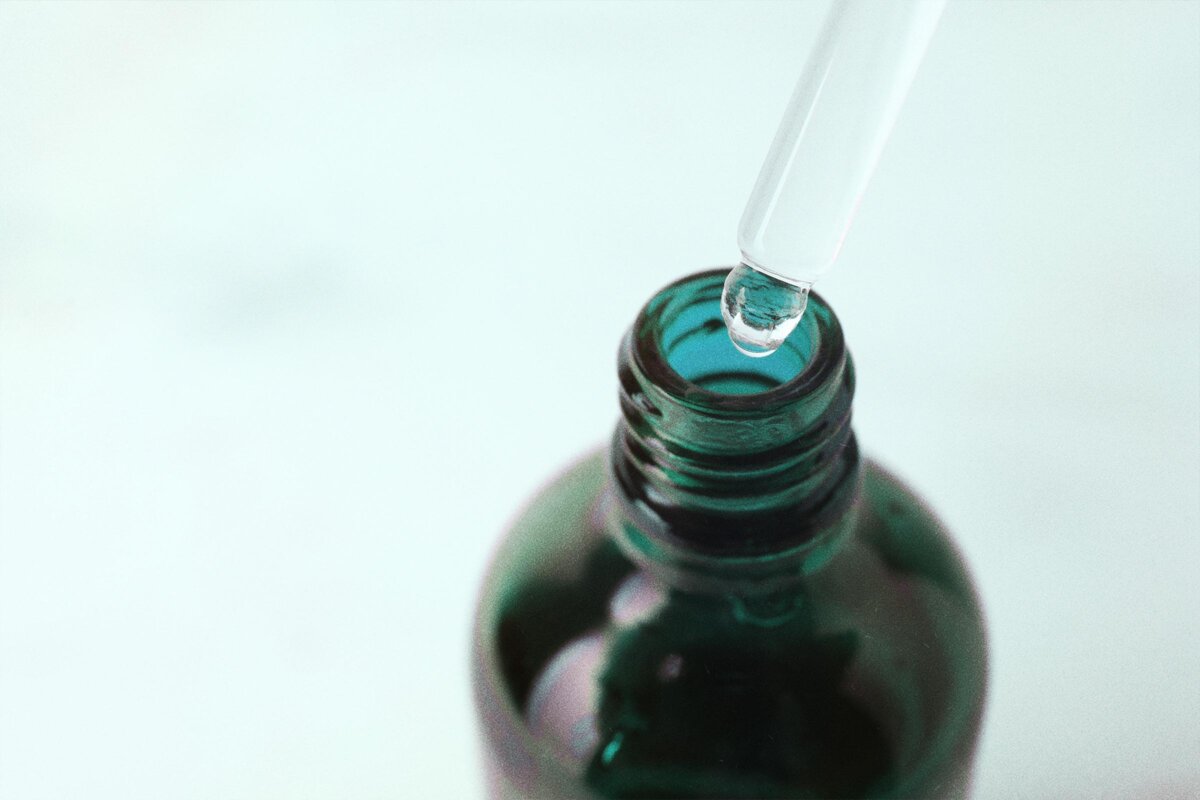
Li turned to a natural remedy: an essential oil blend, formulated to combat mold and support digestive health. After she applied it to her son’s abdomen, his symptoms began to ease within a day or two.
Research shows that many essential oils have anti-mold properties. Li said their primary benefit is supporting the body’s immune response against mold-related health issues, not in physically removing mold from surfaces.
Anti-Mold Essential Oils
Clinically used anti-mold essential oils can be divided into two main categories, according to Li.
Phenolic Essential Oils
Phenolic compounds are recognized for their potent antimicrobial and antifungal properties. They can effectively disrupt the cell membranes of mold and inhibit fungal growth.
Common phenolic essential oils include:
- Eugenol: clove, allspice, holy basil, Ceylon cinnamon leaf
- Thymol: thyme, East Indian dill
- Carvacrol: Wild marjoram, winter savory
Aldehyde Essential Oils
Aldehydes have a distinctive fresh aroma and exhibit strong antifungal and antiseptic properties, making them effective against molds.
Common aldehyde essential oils include:
- Citral: lemongrass, lemon balm, lemon verbena, Litsea cubeba, lemon tea tree
- Cinnamaldehyde: cinnamon bark
When blending essential oils, select one oil from each category listed above that contains the active components, and use one drop of each. Since phenolic essential oils are highly irritating to the skin or mucous membranes, care must be taken to control their concentration.
Li cautioned against ingesting these essential oils, as their high concentration can cause burns to the esophagus and stomach lining, potentially leading to acid reflux or stomach ulcers. It’s recommended to use the raw forms of these plants such as cloves, holy basil, wild marjoram (oregano), or lemongrass for cooking rather than ingesting highly concentrated essential oils.
Essential Oil Massage Blend for Respiratory Support
Mold is commonly found in household objects such as foam pillows and mattresses. Persistent exposure may lead to allergic pneumonia and, in severe cases, progress to life-threatening end-stage pulmonary fibrosis, according to Li. Additionally, in humid climates, mold spores in the home environment can also enter the body through breathing.
Research has found that many molds produce mycotoxins, allergens, and other substances that can cause bleeding in the lungs and gastrointestinal tract.
Li shared an anti-mold diffusion blend that can boost respiratory resistance to mold spores.
Ingredients
- 2 drops true lavender
- 1 drop thyme geraniol
- 1 drop Litsea cubeba
- 2 drops frankincense
True lavender, an ester-based essential oil, offers a gentle approach that soothes without overwhelming. Thyme geraniol, a phenolic essential oil, and Litsea cubeba, an aldehyde-based essential oil, are potent allies against mold but can be irritating when used in overly concentrated forms. Use them sparingly to ensure safety. Frankincense promotes lung health and aids in toxin elimination. In traditional Chinese medicine, the lungs are considered a “delicate organ,” so mild essential oils are used to prevent irritation or harm.
This essential oil blend can purify indoor air when used in a diffuser. However, if there are pets in the home, diffusion is not recommended. Instead, dilute the blend to a 3 percent concentration by mixing six drops of the essential oil blend into 10 milliliters of a carrier oil. Apply to the skin and allow full absorption before pet contact to ensure safety.
Application Areas: Gently massage the diluted blend onto the chest, upper back, or inner arm near the thumb to bolster respiratory health. Per traditional Chinese medicine’s meridian theory, the lung meridian runs along the inner arm near the thumb, and stimulating this area may enhance lung function and resilience.
Essential Oil Massage Blend for Gut Health
Li used this essential oil blend on her son after he suffered an adverse reaction from mold exposure in his thermos.
Ingredients
- 2 drops true lavender
- 1 drop German chamomile
- 1 drop Pogostemon cablin (patchouli)
- 1 drop thyme geraniol
- 1 drop lemon tea tree
- 10 milliliters carrier oil
Application: Apply to the entire abdomen, focusing on the area around the navel.
According to Li, true lavender has broad-spectrum antibacterial, antiviral, and antifungal properties; German chamomile reduces inflammation; Pogostemon cablin relieves abdominal pain; thyme oil contains thymol, which has antifungal effects; and lemon tea tree enhances both efficacy and fragrance with its antibacterial properties.
How to Get Rid of Household Mold
Although essential oils are not effective as direct mold removers, household expert Chen Yingru told “Health 1+1” that she uses essential oils such as tea tree and eucalyptus for general cleaning purposes, adding them to mop water or laundry to help freshen the home and discourage mold growth.
Indoor Mold Removal
For visible black mold, she recommended starting with physical removal. For instance, mold on leather clothing or tile grout in bathrooms and kitchens can be scrubbed off with a brush, then rinsed thoroughly with a strong stream of water.
If stubborn mold stains remain, Chen suggested turning to chemical methods. One practical option is sodium percarbonate, an oxygen-based bleaching agent that can help safely and effectively break down and remove persistent mold residues.
Application: Mix sodium percarbonate into a paste and apply it directly to moldy areas.
For hard-to-remove old mold stains, you can use bleach or commercial mold removers. However, they contain chlorine and are highly irritating, so safety precautions are essential:
- Ensure good ventilation.
- Wear gloves.
- Never mix with other cleaning agents to avoid generating chlorine gas, which can harm the respiratory system.
- Avoid contact with clothing to prevent fading.
- Test on an inconspicuous area first to avoid discoloration or corrosion of materials.
- Do not leave the cleaner on for too long; follow instructions, which typically recommend leaving it on for three to five minutes.
- Rinse thoroughly with clean water.
Cleaning Water Bottles
Regular, thorough cleaning is essential to keep water bottles safe to use, especially those used by children. Many children’s bottles come with straws, which should be cleaned using a thin, long-handled brush made of soft wire to thoroughly reach and scrub the inside of the straw.
For bottle spouts or drinking rims, a child-sized toothbrush with a small brush head is ideal for reaching narrow or awkward areas.
Children often eat and drink at the same time, leaving oil from their lips on the rim or spout. To remove these oily residues effectively, Chen suggested using a small amount of dish soap during cleaning.
Even if a water bottle does not show visible signs of mold, it can still harbor significant bacterial growth.
Preventing Mold in Air Conditioners
Another potential mold hot spot is air conditioners. Chen suggested cleaning the air conditioner filter every one to two weeks. Open the air conditioner’s outer casing, remove the filter, and wash it using a dry-then-wet method. First, brush off dust with a soft brush or an old toothbrush, or use a vacuum cleaner. Then, rinse the filter with water.
Avoid drying the filter in direct sunlight, as prolonged exposure to the plastic frame may cause it to crack.
When turning off the air conditioner after running it at a low temperature, the mixing of cold and warm air at the vent can create moisture, which can accumulate dust and eventually form black mold. Regularly wipe down the air vent to prevent the formation of mold.
Before storing the air conditioner for the off-season, run it in “fan mode”—blowing air without cooling—for about 30 minutes to dry the interior and prevent mold growth.
Indoor Dehumidification
To combat mold growth, Chen recommended proactive measures to control indoor humidity. Place hygrometers in every room to monitor humidity levels. If humidity exceeds 70 percent, promptly activate a dehumidifier to reduce moisture and discourage mold development.
In bathrooms, where dampness is common, keep a squeegee on hand. After bathing, use it to remove water from shower doors, floors, and sink surfaces. This simple habit significantly reduces moisture buildup, creating an environment less conducive to mold growth.