

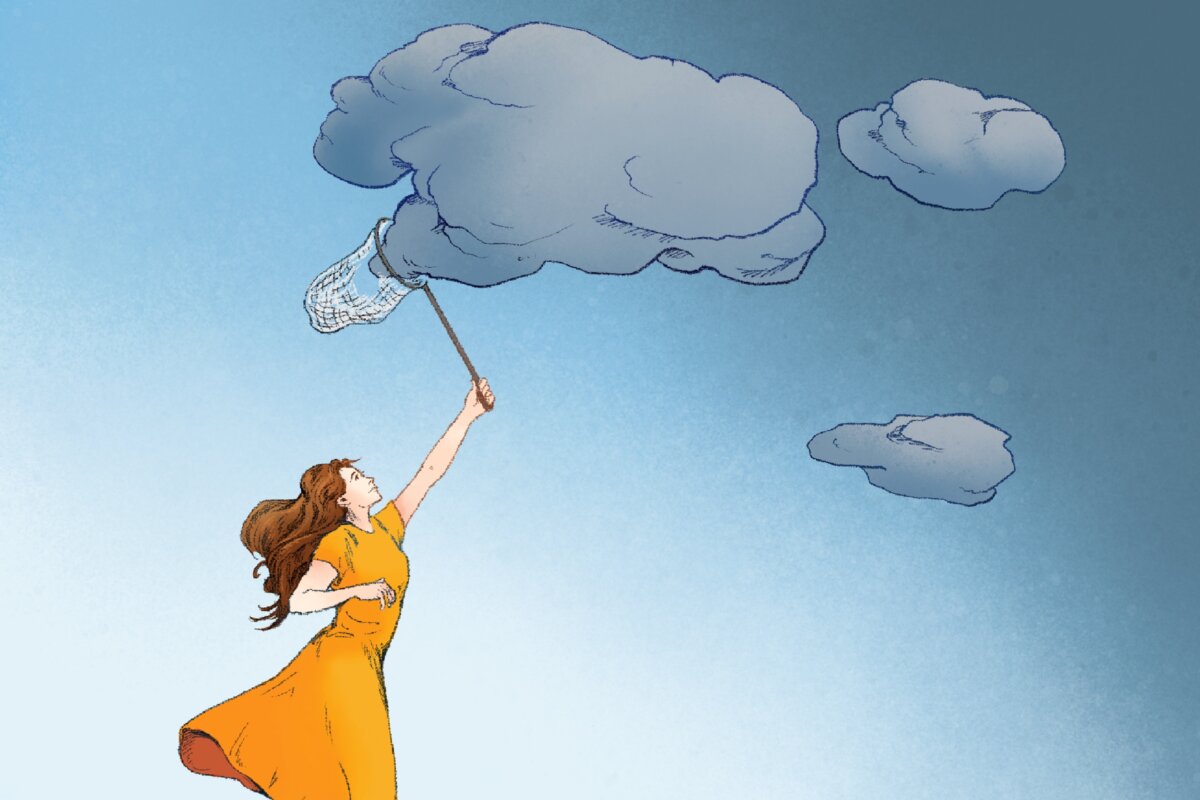
Stress affects us all, from quiet worries to major setbacks. A certain level of stress can actually be helpful—much like the burn that accompanies a good workout, which signals your muscles are getting stronger.
However, when stress becomes excessive, it becomes a problem. It slowly burns you out and even contributes to chronic disease.
The following evidence-based tools provide a holistic foundation to combat stress and anxiety and build lasting resilience.
1. Eat Nourishing Food
Research suggests that a diet centered on whole, nutrient-dense foods—particularly those low in carbohydrates and high in healthy fats—can combat stress, provide steady energy, and support brain function. This approach reduces blood sugar fluctuations and balances hormonal rhythms, which in turn stabilizes mood and focus. Studies have validated this way of eating as protective for energy regulation and brain chemistry.
Personalized diets that include the right amount of healthy fat optimize energy delivery to the brain, reduce inflammatory signals, and stabilize neurotransmitter production, helping reduce stress levels. By moving away from refined foods and emphasizing proteins, fats, and colorful vegetables, blood sugar remains steady, helping the body and nervous system stay regulated.
Eating healthy does not require perfection. You can begin by replacing refined and processed meals with simpler options such as eggs, leafy greens, salmon, nuts, and avocado.
Eating in harmony with existing wisdom, such as the Japanese practice of stopping short of fullness or “hara hachi bu,” is also valuable. Research published in the American Journal of Lifestyle Medicine shows this mindful practice improves energy, supports a balanced mood, and even promotes longevity.
2. Prioritize Sleep Quality
If food is the foundation of building resilience to cope with stress, sleep is the repair system. Without restorative sleep, mental clarity declines, emotions become harder to regulate, and stress accumulates unchecked.
One of the most critical discoveries in neuroscience is the glymphatic system—the brain’s nighttime cleansing network. During deep sleep, the glymphatic system clears toxins and metabolic waste that accumulate during the day, supporting cognitive renewal and emotional balance. Lack of quality sleep leaves waste behind, impairing brain processes and setting the stage for stress, anxiety, emotional dysregulation, and cognitive decline.
To optimize sleep, maintain consistent routines—go to bed and wake up at similar times daily. Reduce stimulants in the evening, create a cool, dark environment, and soften sensory input by silencing notifications. Simple rituals such as reading or dimming lights signal to your body that sleep is imminent.
3. Keep Daily Routines You Enjoy
Routine isn’t monotony—it is medicine for the nervous system. When you build predictable schedules, your body and brain learn when to activate, when to rest, and when to replenish, which lowers stress. A 2024 study published in BMC Public Health confirmed that consistency improves emotional regulation and lowers depression rates.
This effect flows largely from circadian rhythms, the natural cycles orchestrating body temperature, hormones, sleep-wake balance, and even mood. Systems fall into balance when routines align with daylight—waking with morning sun and winding down after sunset. Mechanistically, circadian alignment lowers levels of the stress hormone cortisol at night, boosts serotonin during the day, and stabilizes energy output.
Anchor your day with small routines: a mindful breakfast, a short stretch, or a consistent cutoff time for screens. Morning rituals are particularly powerful; starting predictably can frame the entire day in calmer, more focused ways. These patterns provide structure and communicate safety to the nervous system, creating inner stability through outer consistency.
4. Move to Elevate Your Mood
Movement is one of the fastest ways to shift mood and balance the chemistry of stress. Exercise influences the body through multiple pathways: regulating blood sugar, balancing hormones, and releasing neurotransmitters such as dopamine and serotonin that restore mental clarity.
A 2024 review published in Physical Activity and Nutrition found that regular exercise significantly reduces depression, moderates anxiety, and improves neurotransmitter patterns that stabilize mood. It also enhances cognitive flexibility, helping people adapt their thinking during stress and sharpening focus under pressure. Exercise even promotes the release of endorphins—natural hormones that act as internal mood elevators, reducing pain and enhancing contentment.
Simple, steady activity—including walking outdoors; doing an online class such as Pilates, yoga, or qigong; or stretching at your desk—has measurable effects on resilience. These movements signal safety to the nervous system, helping shift it away from stress responses.
5. Practice and Embody Gratitude
Gratitude is more than an attitude; it is a neurobiological practice that reshapes the brain. Studies show that gratitude lowers the stress hormone cortisol, regulates emotional networks, and strengthens empathy and self-regulation pathways.
In one neuroscience study published in Social Cognitive and Affective Neuroscience, gratitude activated networks responsible for emotion regulation and resilience, confirming profound brain-level effects. A 2023 meta-analysis in Einstein (Sao Paulo) showed that patients who participated in gratitude interventions sustained greater feelings of gratitude, better mental health, and fewer symptoms of anxiety and depression.
Options to try include daily journaling, writing thank-you letters, and mindfulness practices. Embodied rituals make gratitude more automatic.
By weaving gratitude into rituals—whether through reflection, movement, or conversation—you actively rewire stress into connection, hope, and positivity.
6. Add Mindful Pauses and Breathe
Stress often overwhelms us when we do not pause enough. Research shows mindful breaks activate the brain’s prefrontal cortex—the executive area for decision-making and self-control—while quieting the amygdala, the emotional alarm system. Neuroscience evidence supports “emotion labeling,” the practice of naming one’s present feeling, in written or verbal form, as a way to regulate stress responses. Studies also show that regular brief pauses enhance resilience and self-control.
Breathwork is perhaps the simplest starting point for mindfulness. A broad review in Stress Health covering 465 studies and a meta-analysis published in Scientific Reports confirmed that slow, conscious breathing reduces physiological arousal, regulates mood, and balances hormones. Even five minutes daily can transform stress states. Research published in Frontiers in Physiology found that health care settings using guided breathing practices have seen positive improvements in well-being.
A practical way to integrate this is simply pausing for 30 seconds to take one or two slow breaths. Alternatively, you could say to yourself: “I feel anxious” or “I feel calm”—whatever is true. Labeling alone resets stress pathways, while breath anchors the nervous system. With repetition, these micro-pauses create long-term emotional balance.
7. Tune Into Positivity Daily
The media you absorb directly shapes mood and resilience. Recent studies reveal how targeted media exposure improves mental health. A systematic review published in March in PLOS Mental Health showed that certain podcasts can help with mental health and reduce stress, anxiety, and self-stigma, while boosting self-compassion.
Instead of endless scrolling, consider intentionally curating your inputs: Follow creators who inspire you, play an uplifting podcast during a short walk, or replace morning news chatter with a reflective audio series. Even a few minutes daily of positive content helps reset perspective and build resilience.
Turning to faith in a higher power—through spirituality or religious practice—can also nurture hope, meaning, and a more positive outlook, especially during challenging times. Research published in the Journal of Research in Personality shows that daily religious practice can improve mood and lower stress. Connecting with your beliefs or spiritual community can provide comfort and reinforce inner strength.
8. Connect With Like-Minded Community
Human beings are wired for connection, and social ties remain one of the most powerful ways to reduce stress and increase resilience. A March study of more than 6,000 older adults published in Innovation in Aging found that belonging to engaged social groups directly increased well-being and health. Similarly, the World Happiness Report reinforced that thriving relationships drive mental health outcomes across populations.
Examples abound across cultures. In Japan, groups called “moai”—lifelong friendship networks—help participants handle stress, reduce isolation, and even live longer. In Italy, cultural patterns of frequent family and friend gatherings reduce loneliness and elevate daily joy. Mechanistically, social connection activates reward circuits in the brain, lowers cortisol, and strengthens the oxytocin system that drives bonding and calm.
To connect with others, consider joining communities where you feel a sense of belonging to volunteer or deepen existing friendships. Connections shift emotional weight from individual shoulders to collective strength, multiplying resilience capacity.
9. Embrace Vulnerability
One of the paradoxes of resilience in the face of stress is that it grows strongest not from perfection, but from embracing imperfection. Vulnerability invites connection, trust, and authenticity. The Japanese art of “kintsugi,” repairing broken pottery with gold, is a metaphor: Flaws become features of beauty, not defects.
A 2023 study in Frontiers in Psychology confirmed vulnerability and adaptability during adversity build enduring strength—especially under conditions such as the COVID-19 pandemic. By acknowledging limitations, sharing truths with others, or engaging in self-reflection, vulnerability becomes a doorway to connection and creativity.
Practical steps include talking honestly with trusted friends, writing about difficult emotions, or embodying vulnerability in art or storytelling. Instead of eroding strength, openness forms bonds of reciprocity, belonging, and resilience, preparing us to endure challenges with greater hope.
Resilience takes shape when we learn to engage with stress as a signal for growth rather than a threat to avoid. By practicing small, intentional habits that nurture balance and perspective, we strengthen our ability to adapt and recover. Over time, these choices build the flexibility and confidence needed to meet challenges with steadiness instead of fear.
